-
Cloudy Assumptions
To repeat an important societal insight in other words: Many I know live with so many inherited, unchallenged assumptions that one could say ‘they live, move and have their being’ (St. Paul<Aratus) in mental clouds.
-
Democracy weaknesses
Democratic order must needs be adequate to stupidity and ignorance .
-
The Façades and the Realities of History
Perhaps that which passes for History are stories of a perennial rejection of gnothi seauton.
-
O.J. Simpson in Moscow
In Moscow in 1995 in the American Center inside of the Library of Foreign lLiterature, there was a group of visiting American women – for which purpose or theme being there I do not recall – who were to give a small talk before a Russian audience eager to hear and practice their English. The women at a question suggested that they did not want to speak about the O.J. Simpson trial… intimating by their attitude that it was a kind of topic beneath them. They then proceeded to speak about it and him excitedly for the next 30 minutes. I just watched from the back row.
In my case, I could say it this way: anyone really interested in O.J. Simpson is really uninteresting to me. 
-
Alabama Senatorial Stupidity

Is Tommy Tuberville more or less stupid than the average Alabamian? 
-
A Foolish Tradition
History is full of fools. What makes it more difficult is knowing their names.

True Hick
Marjorie Taylor Greene -
Willful self-ignorance
Willful ignorance perhaps reaches its maximum when the person is willfully ignorant of their own ignorance. 
-
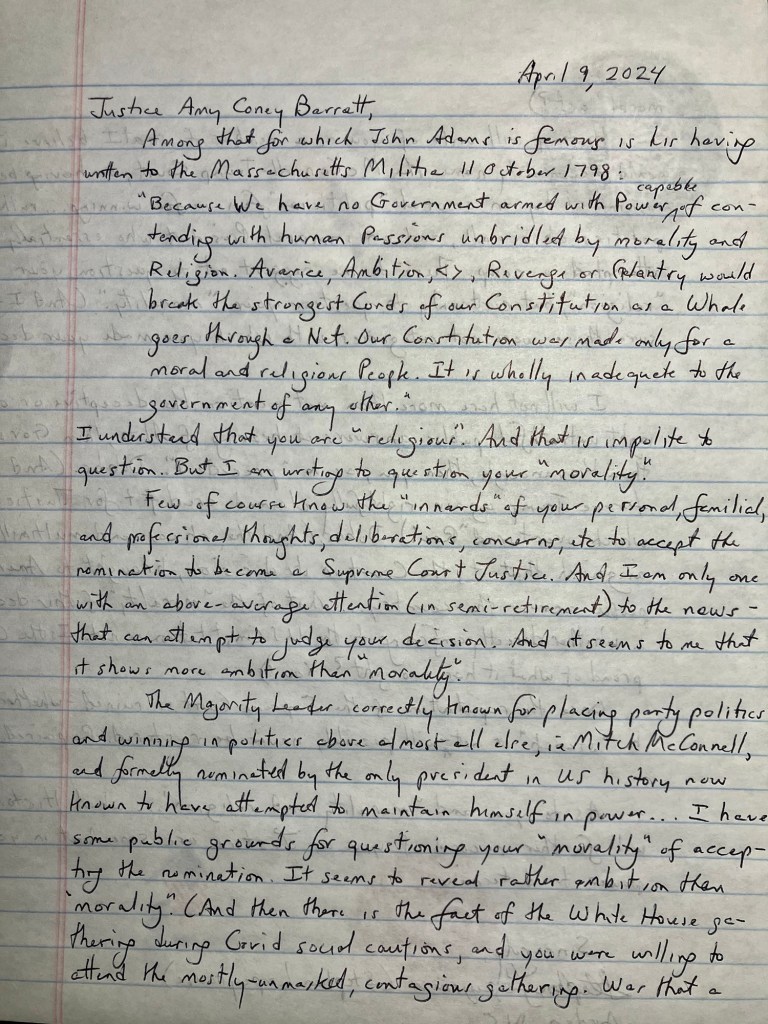
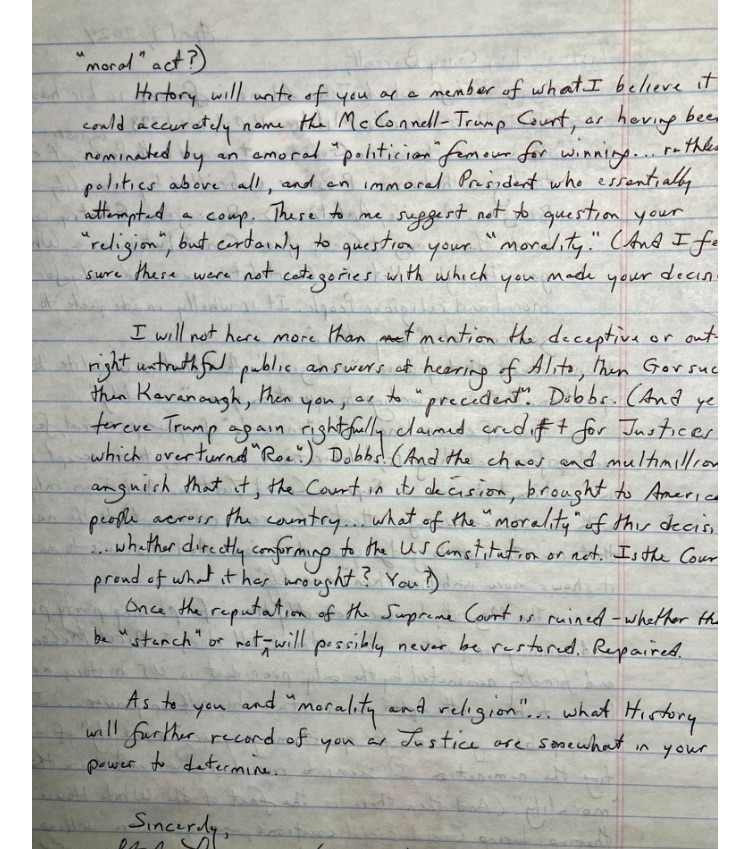
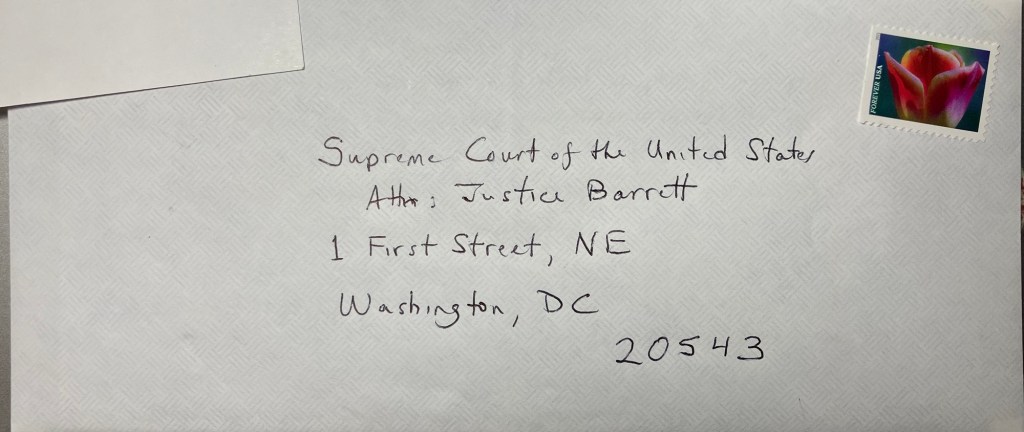
Letter to US Supreme Court Justice Amy Coney Barrett

-
All Suited Up
Most live all of their lives in our time in history barely tecognizant of the national psychic suit in which they live their lives and have their being.
-
Dante’s Forest –  Thoreau’s Swamp
Dante finds himself in a metaphoric “dark forest”, whereas Thoreau in reality goes into a real swamp nearby. For Dante the dark forest prevents him where he would go, on a path leading onwards and upwards… Whereas for HDT, the swamp is an end in itself.

-
Subscribe
Subscribed
Have a WordPress.com account? Log in now.

