-
Homelessness
If Man has on the earth no home, then it cannot but be unsettled.
And when conscious, one must recognize, accept , and perhaps engage, one’s dislocation daily.
-
Ahistoria
It is perhaps less influential that people are ignorant of History than that they are that they live in it. 
-
“Christians”?
How profoundly few Christians have not reduced God, “the Lord”, Jesus, the Bible, etc to their selves.
-
Which SCOTUS?
The US Supreme Court of the United States?
The US Supine Court of the United States?
-
Stormy Conversations
About the only serious conversations I’m able to have are with thunder and lightning storms. Though they are often aggressive, loud and mute on the stormy side, desirously attentive and silent on my other.
-
Where am I?
Is it in reality so that the deeper one is, the more one feels dislocated in this world and life? 
-
What’s in a name?
It seems to me that after a certain age and time of life experience, that a person should be able to change their first name to one that better suits their selves. That is, assuming sufficient individualized, singularized growth in life.
-
Singularities
Nominal versus developed singularities.
Most people are nominal singularities.
-
The pathos of hope at cemeteries
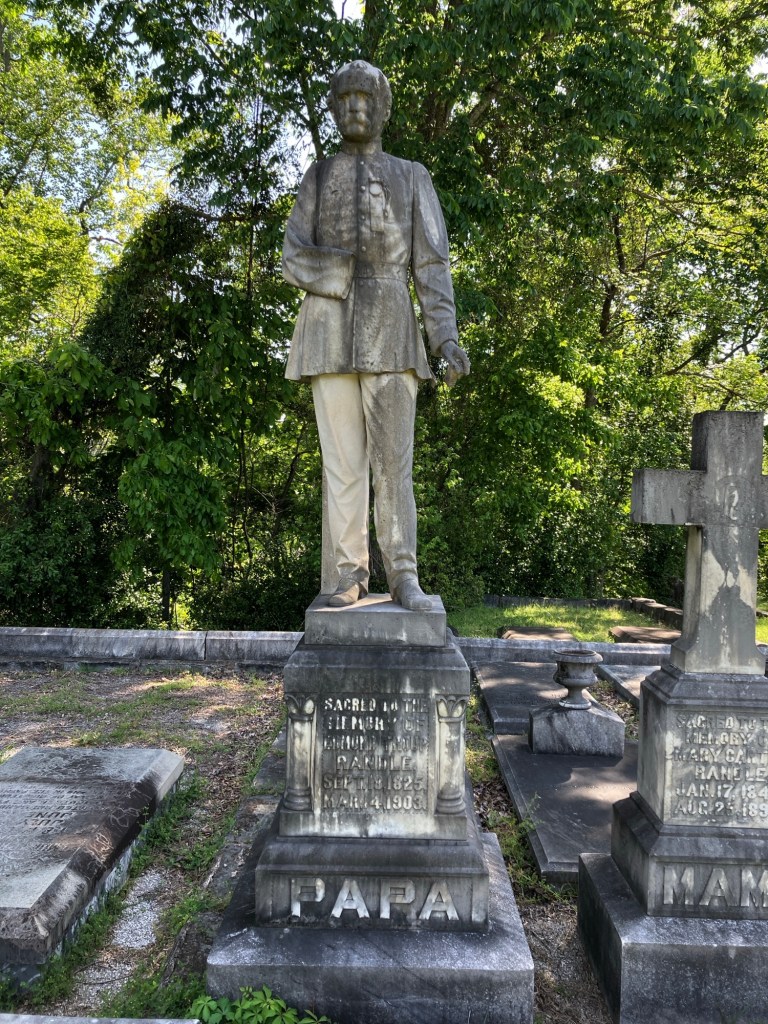
Union Spring, Alabama
Oak Hill CemeteryMost country cemeteries seem forlorn, not because of the worn, weathering stones, but because of their few visitors,… but mainly because of the tombstones and their epitaphs… Abandoned cemeteries most reveal the hopeless hope of their stones to permanent memory.
The cemetery stones reveal an earthly human hope for a life beyond, but the stones themselves are often neglected, those memorialized on them often forgotten.
In those cemeteries filled with hundreds or thousands of carved stones over bodies now bones… Who are the stones for? Are they not rather memorials to a pathos of hope? In 100, 200, and 500 years… what sense have the stones?
However much belief there was at the burials they are really a sad earthly human plea of hope.
(Union Springs, Alabama.)
-
Cross-country journey after 50 years (ongoing)
The boutiqueization of rural America (south of Silva, North Carolina.)
(Franklin, North Carolina) Matters little how open the mind of the eyes is, realistically speaking one is rarely going to see something unexpected. Terra Cognito. Humane very Cognito.
So the accomplishment would be to see deeper, other aspects of what is otherwise expectable , even obvious.
Cutesy “antique” signs to shops… Very convincing.
Woodruff Arts Center, Atlanta. Lecture on the Romantics of Jena. A. Wulf. It became clear to me that they did not provide answers to us… and certainly not answers for all time, even after them. They lived their lives. Perhaps they even lived by their philosophies. But their ideas are really more of the intellectual biography of that time. Not answers for us now. Wulf seems to imagine the “self” to be derivable from them there then. And then there is much about her own personal life story, interesting though it be. But frankly, it is not serious history to attempt to apply the romanticism of the “Jena set” to our time. They had at most conceived, imagined, developed solutions to the problems of their time as they understood them. They do not provide solutions to ours.
Opelika, Alabama: as radio programs make clear: Jesus is a flexible Savior. He is whatever a sinner needs.
The sign asked me if I was preparing to meet Jesus… I would have to answer no
(Troy Alabama.)
Two essential journey tasks: keep the mind of the eyes awake to discovery of the new, even if it in the old, and completion of transmutation of trauma 59 years old.
Entering Dothan, Alabama, I see that I am nowhere unique USA. Viva la difference, down with identity. But most seem not to notice… inside like outside.
A truly massive, apparently quite popular, unreflective life. From sea to shining Sea.
(Leaving Dothan Alabama)
Country stores do not call themselves country stores. But are there any real country stores anymore anywhere anyway?
Most people prefer sleep, even if they don’t know it.
(Mariana, Florida.)
However true – or not – they may be, my insights seem to become more singularized. And of little general meaning or use to others.
(Port Saint Joe, Florida.)
A serious visitor to an exotic location will have found the locals pining to escape.
(PanamaCity, Florida.)
However, natural a lifestyle seems, it is nonetheless provisional and passing.
(Port Saint Joe, Florida.)
New locations, sights, observations, conversations, experiences,… make a few days a week’s.
Moving my body via my car across the land in America, intending to change me.
(Highway 98 heading east, nearing Apalachicola, Florida.)
12,000, 599.9 miles. One day less than 12 full weeks. A trip across America, alone, in a small car. An external journey with interior intents. I believe honestly that few could and would make such a trip alone with such motivations and intents.
Christians want to sleep to pop music also. So they just Jesusize it.
(Perry, Florida.)
Way down upon a Suwanee River. 
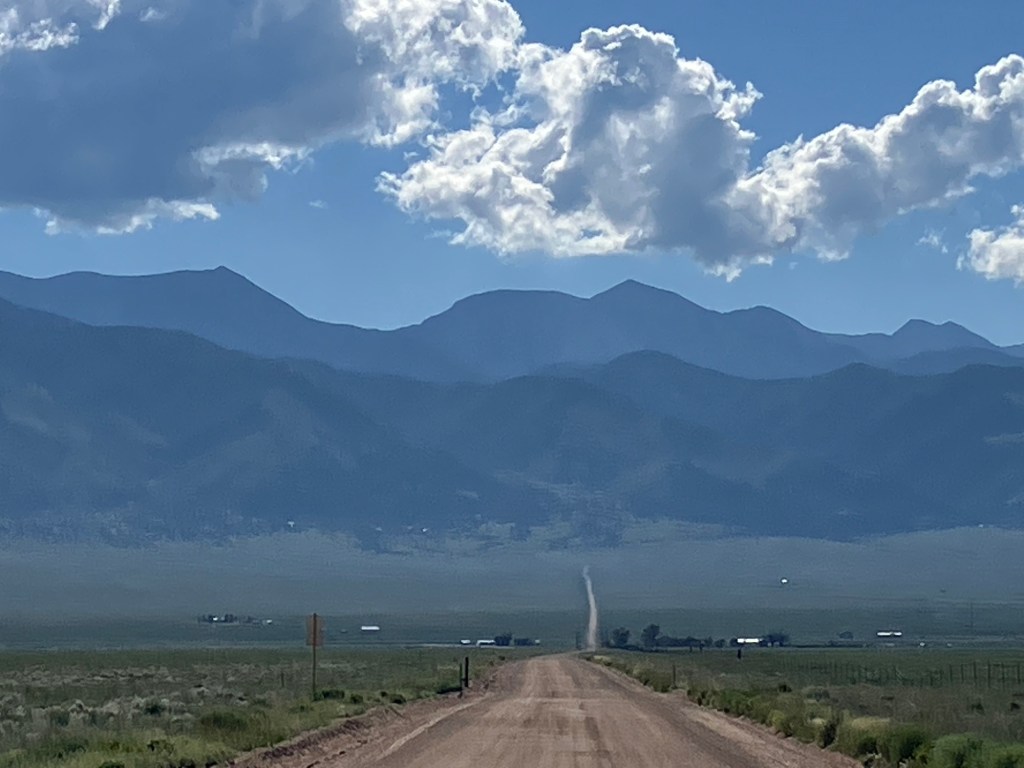
“Valleyview Hot Springs” 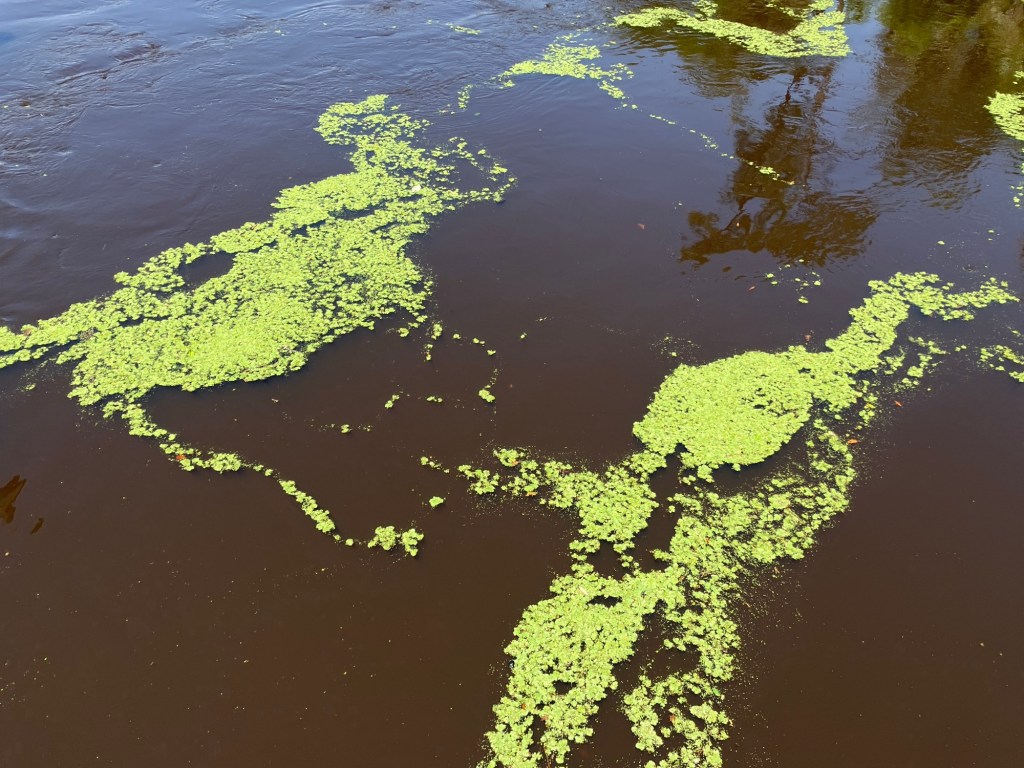
Most
The electric signage informs me that “Jesus is coming soon”, and asks if I’m “going to heaven or hell?” Actually right now I’m going down to Orlando and then Key West.
(Old Town, Florida.)
With the middle- class benevolent assumption of a better happy postmortem place, not something as unkind as “heaven or hell” , most seem rather sad rather than infinitely anxious when someone “passes away”,ie dies. Even the words dead or dying are Thank you viewed as too harsh, or socially unpreferred.
(Orlando Florida)
With someone who cannot possibly understand what I would say, it is only sensible to talk about them.
The important fact that so few people are telepathic keeps the homicide rate in America lower.
(Orlando, Florida.)
Those stupid enough to believe Trump when he speaks about religion…
(Approaching Yeehaw Junction on 441S, Florida.)
Even primitive people need an identity.
Many if not most stupid people can’t help it.
How often one sees little people have apocalypse, armageddon, grand conspiracies give excitement to their lives.
(Tamarac, Florida)
Trump is as deep and true as his orange painted face.

April 20, 2024 
The realities of the shallows of History also must be recognized. “History” in its depths and shallows, in its breadths and diversities… is a subset of Mankind in all its aspects.
(Tamarac, Florida)
To see grass as a kind of living growing plant, rather than an outdoor carpet requires a kind of intellectual effort towards a mental awakening… for seeing obvious realities anew.
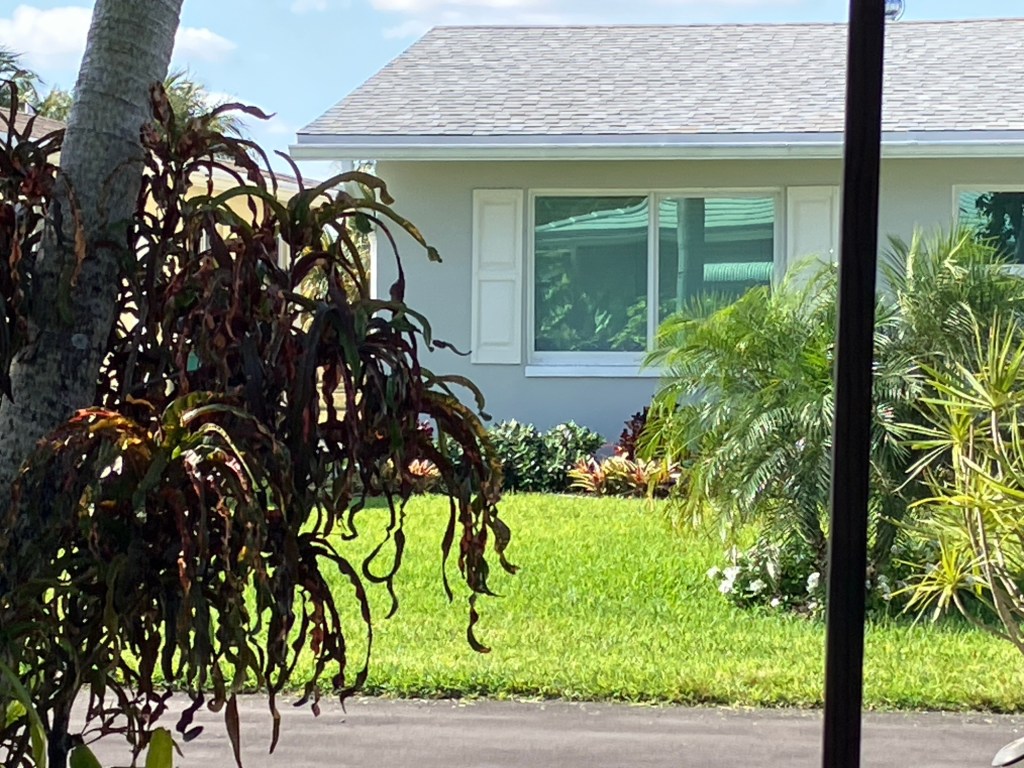
The Mainland of Tamarac 4,
Fort Lauderdale, FloridaNoblesse oblige.
One need know a fair amount of the depths and breadths of History in order to assess what is magnitudes and minitudes of current time.

Made in their own image.
Near Swimming Hall of Fame
Fort Lauderdale.As a surely inexperienced beginner, I lived near here a summer 1973.
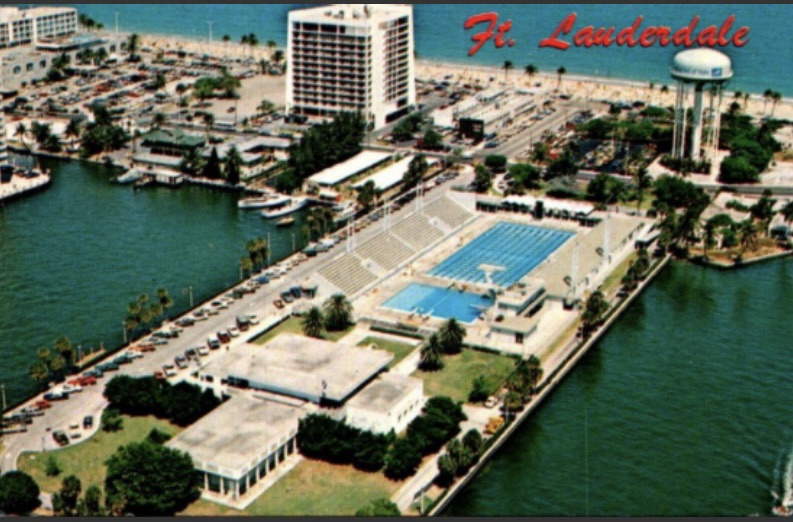
The white roofs mid postcard were a small inexpensive motel back then. The water tower is also long gone. The guys parking cars in the expensive lot where it used to be could not believe what it was like on the postcard.
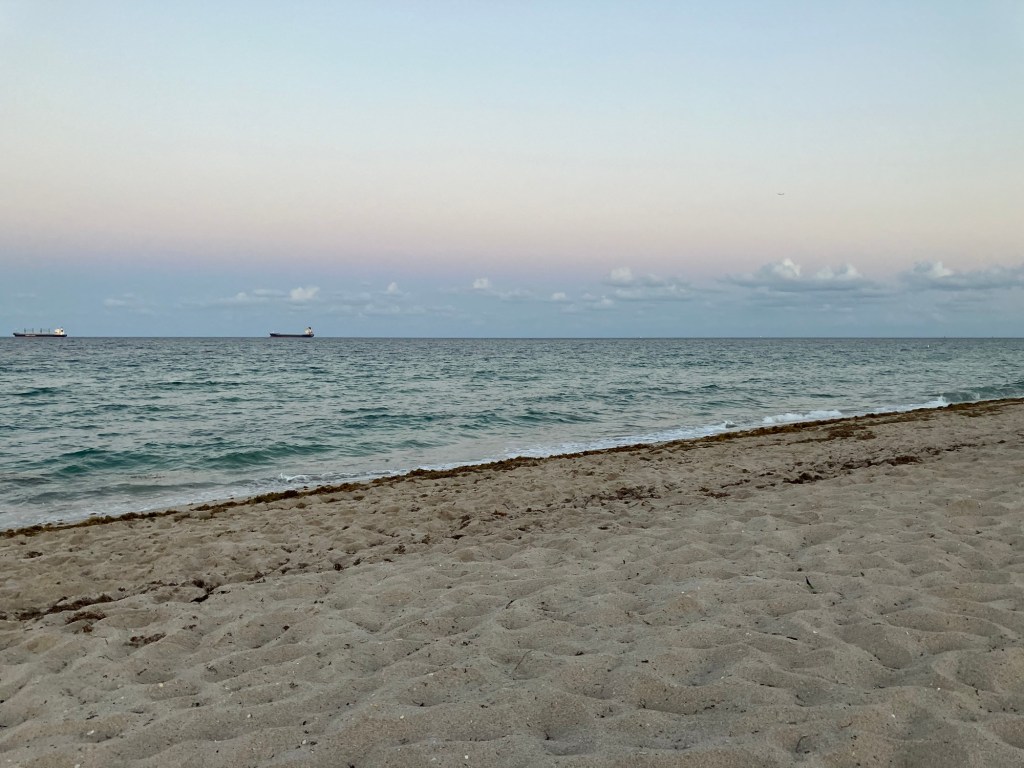
Las Olas Beach
Fort Lauderdale, Florida
Believe it was the –  for me – unrealistic romance of signing on to a sailboat in the Caribbean that brought me down here. Age 21. On leave of absence from Duke.
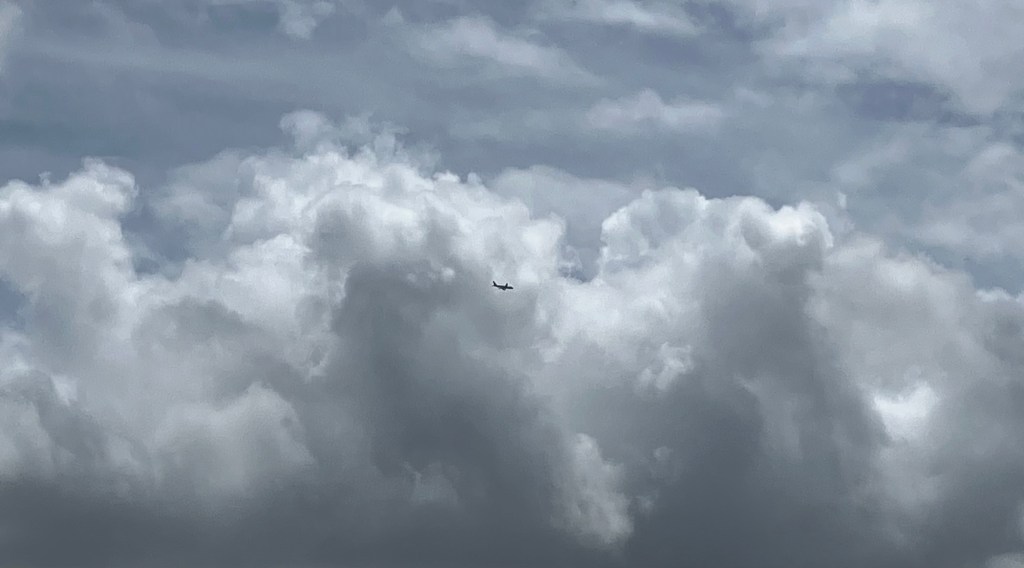
Amid the many contemporary material facts of life and world which substitute for – if not obscure the need for – depths of knowledge of Mankind and Histoty, is the casual nonchalance with which flying is done as if “natural”.
(Tamarac, Florida)
Weltbilder Geschichte.
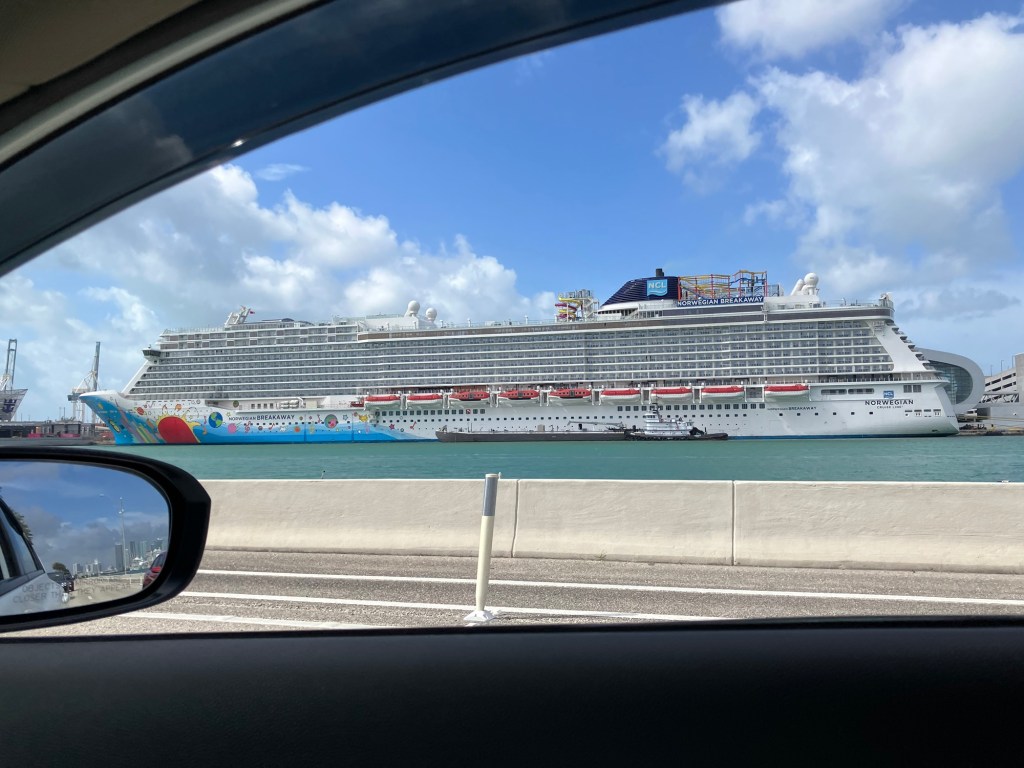
Dodge island, Miami Extravagance by the sea. The extravagance of profit, comfort, and predictable experience. but essentially a mirror of the majority of mankind. 
K-LOVE radio station plays the right music at the right time for people. God’s dish jockey apparently.
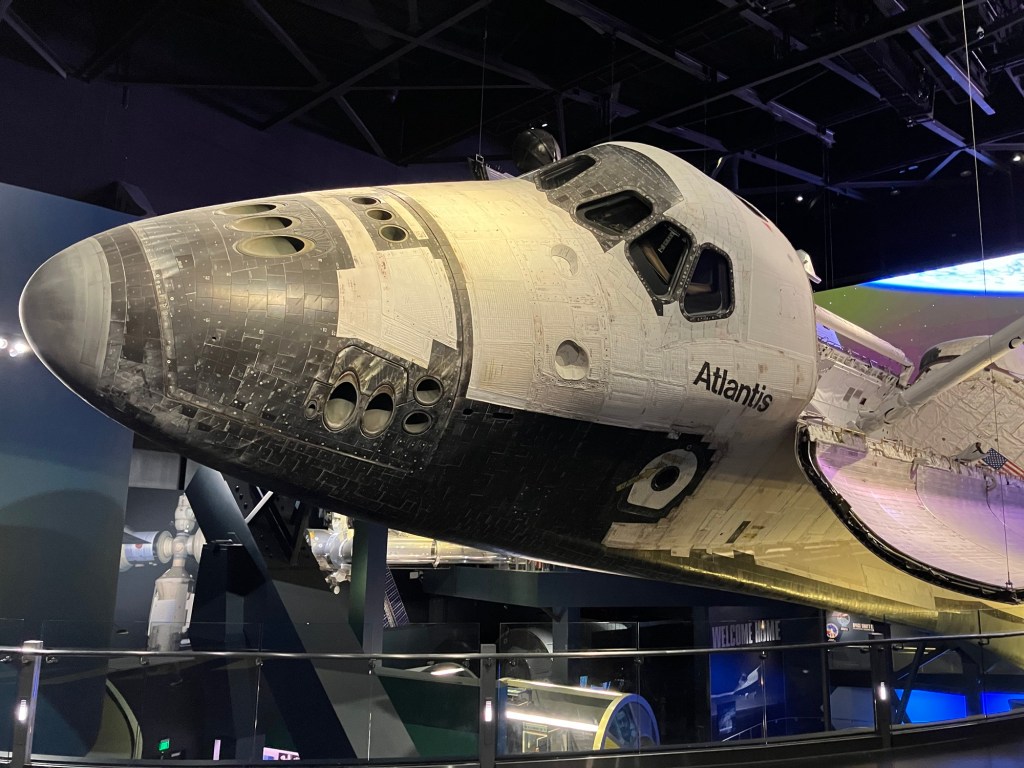
Atlantis at the Kennedy Space Center Kennedy space Center – Closer to being a reality-suggestive amusement park.
After unexpected, disagreeable, dramatic, personal news where with I may have lost my conceivably permanent residence… I take to the road alone.
Traveling through land habitat by humans, obsessed, or possessed with the physically, materially, comfortable life, and the money necessary there for.
“Willful ignorance”? Knowledge. Willful opinion. Willful certainty.
(Approaching New Smyrna Beach Florida.) 
Daytona Beach exemplifying the life of the society of the coast of Florida: the life and mind of the body of Man. 
North Daytona Beach: the sign read: “Liberals not wanted in Florida”.
Advertised for $35 a night… The total price for one night is $207.
Rode the “Old Town Trolley” in Saint Augustine, Florida yesterday with many retired adults who seemed to be intellectual children. Also, the entire experience seemed like being on a well-organized, cushy, tourist, conveyor belt.
The beach of the Atlantic…last night, just south of Saint Augustine, Florida… its just a setting, a location, for Nature is below Man… whether Man likes it, or understands it, or not.
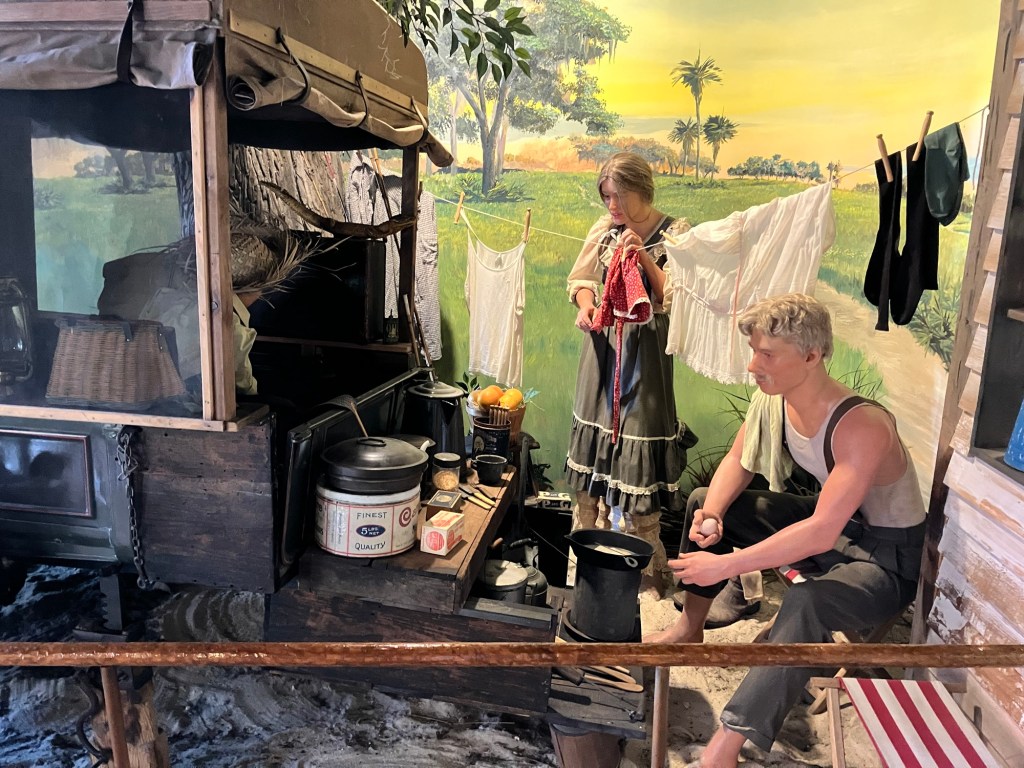
Ten Canners Saint Augustine history Museum
If they can live and sleep from their car… And so damn well can I.
Crossing the state line from the Florida of Governor DeSantis to that Brian Kemp of Georgia… I wonder which of them is worse because political?
Recognizing rather quickly that they, two individuals in two different locations and situations, neither could, nor were particularly interested in, understanding what I might say… I turned the conversation onto them in the hopes that I might at least learn something.
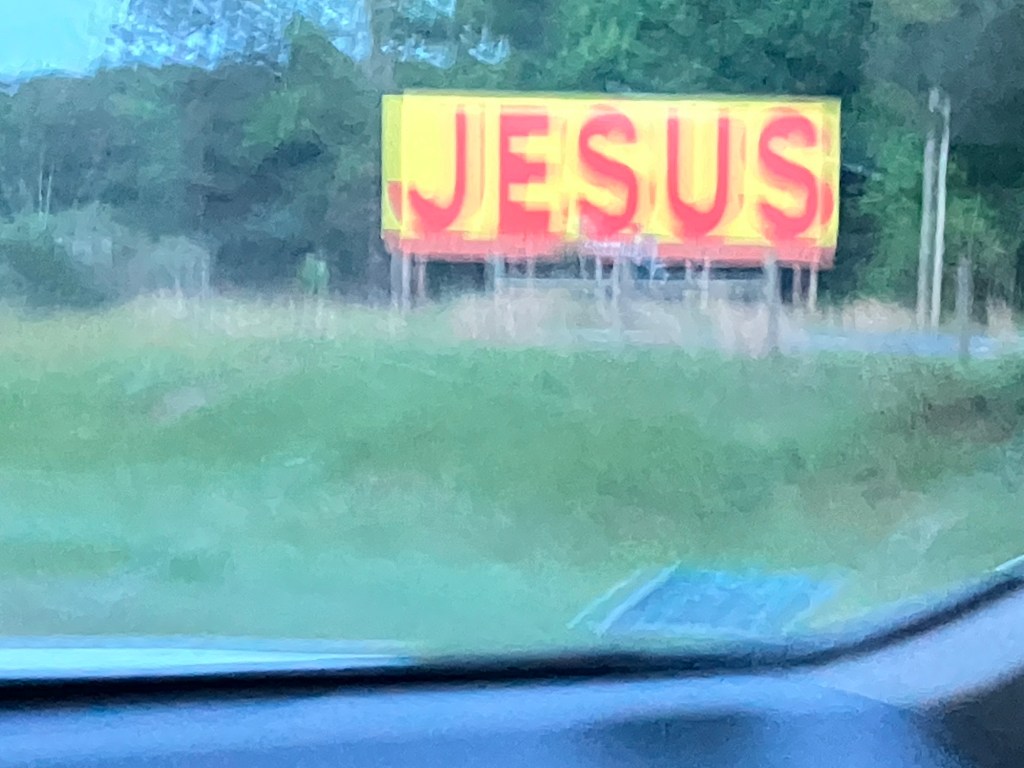
Near Somerton, South Carolina About 50 miles back the sign said REPENT. I thought probably the primary sin was related to sex, possibly violence in the family i.e. mostly by men of course, drinking…  I think not often something like murder. Though that happens too.
The next sign, not too far along the interstate was “JESUS’ BLOOD”.
I tend to complain and critique much of how most Americans are earth-bound by the gravity of their mind- and lifestyles… But I should remember Plato on the life of those of the body, as well as Saint Paul on the life of those of sarc.
(Highway 38 West, heading to Bennettsville, South Carolina)
If one finally searches for not general answers, solutions, salvation… But rather for individualized conclusions, experience, fact.
(Durham, North Carolina. Red Roof Inn, room 301)
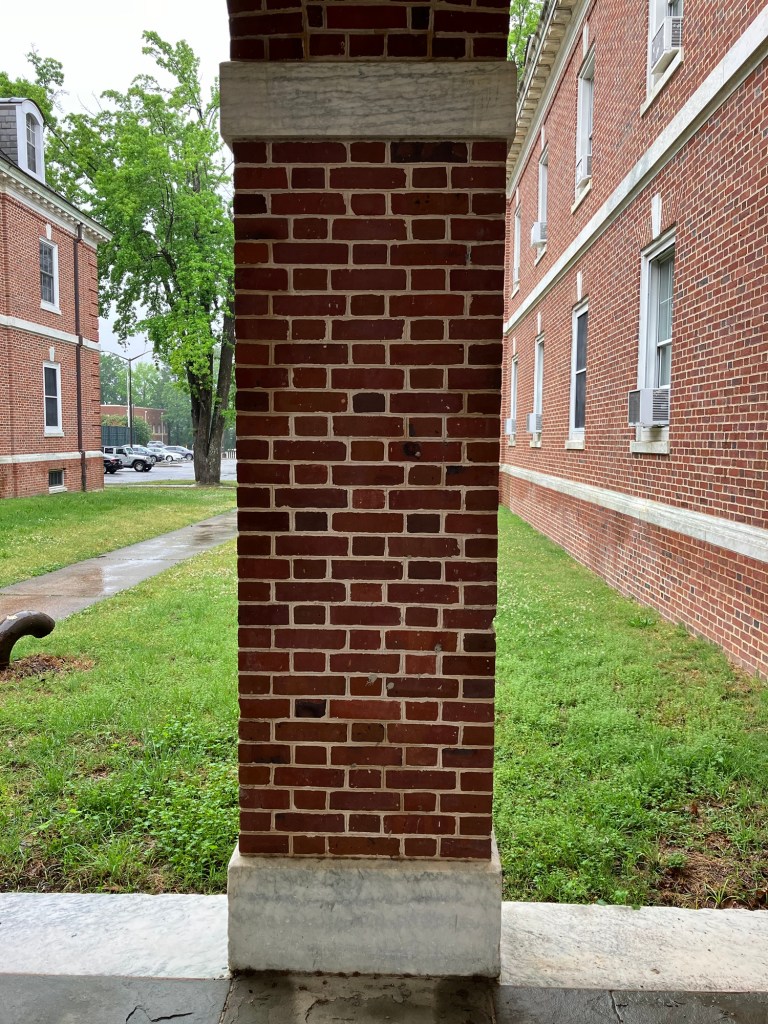
Walkway between dorms on south side of Pegram During my sophomore year, 1972–73, at Duke University, living in Pegram Hall, I once went around this East and the main campus writing on all classroom chalk boards some variant of: “Are you living or just existing?” I also wrote it on this brick walkway pillar on the south side of my dorm. And here I am, some 5+ decades later, still, though of course more profoundly, deeply and maturely, asking that question… In fact it is now more be a question how do I want to be living when I die?
And in fact where and how I am living now is mostly “just existing”… though struggling against it.
(East Campus, Duke University)
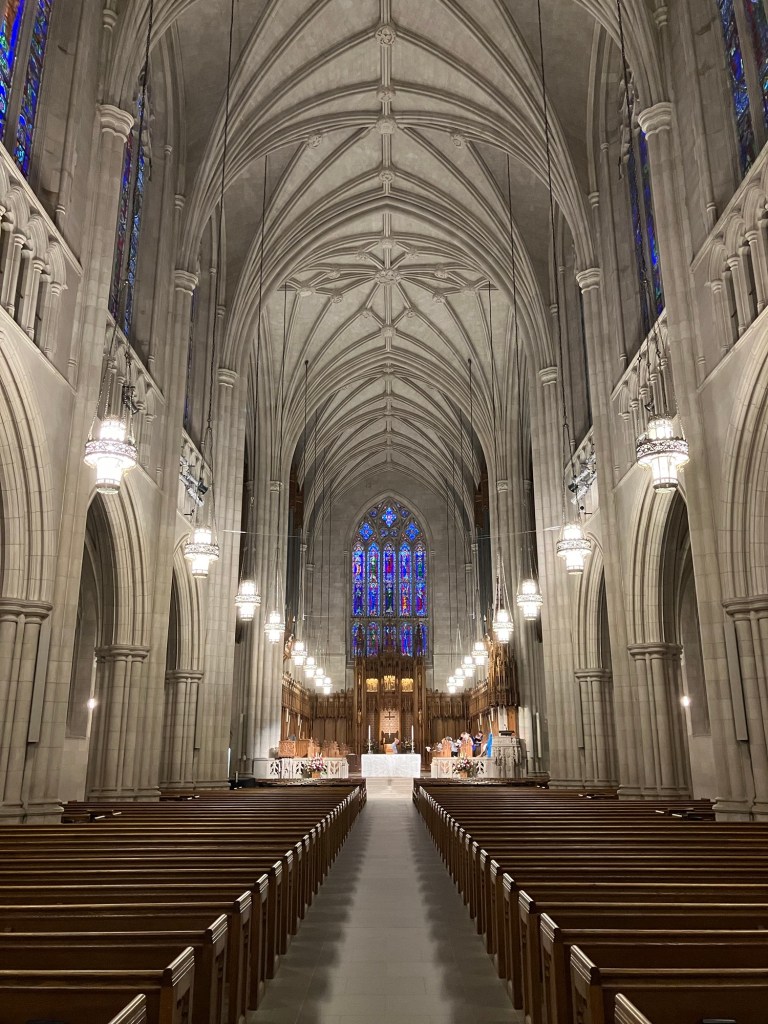
Duke Chapel In 1972–73 I certainly did not have mental, nor even emotional, preparation to appreciate the interior of Duke Chapel. I do recall sometime that winter walking out of here, stunned, after a lectured by Dick Gregory. Now I can compare it to churches in Paris and Rome.
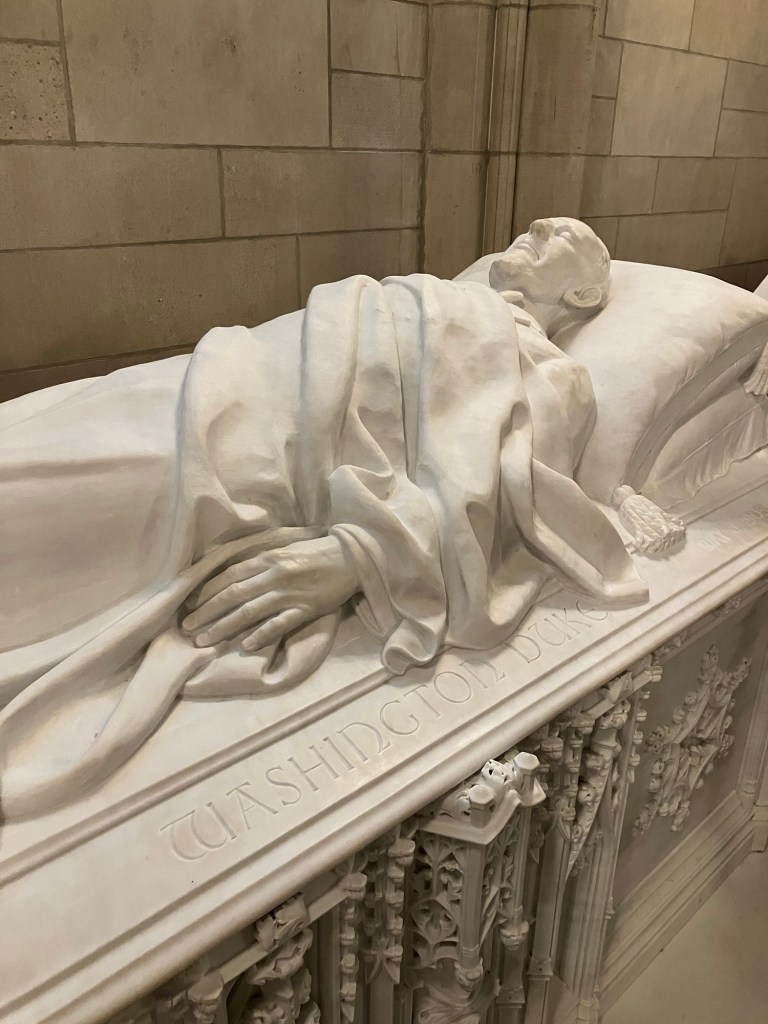
Washington Duke Memorial tomb It is a misconception of man, life and world to instone one thus.
The manner, the mentality by and with which people in the Bible-believing South tend to adopt and adapt it’s contents allows one to conclude that they need a stern but forgiving, guide, leader, Lord for their selves. Were they able to guide themselves, their selves, alone, this might not be needed. But of course, this is a traditional, extracted, simplified meaning taken from or into the Bible.
(Interstate 40 W., near Clemmons, North Carolina.)
Leaving famous former once called Stephen’s Farm… It occurs to me that when you put men and women of Man together with the realities of earthly life there is little beyond hopes and dreams that actually constitute Mysteries to life.
RIP?
Goethe suggested go into activity.
(Pulaski Tennessee.)
Those many questions of a persons life which the Bible does not clearly answer, the Bible, as the “word of God” is taken to Lord, which knows all, and give.
How is music and it’s sources to be understood when it can come from Bach or Mick Jagger?
S completely ahistorical interpretation of the struggle of Laocoön would be of the spirit of Man in America with the “serpents” of money and material life and comfort.
(Spruce Pine, Alabama.)
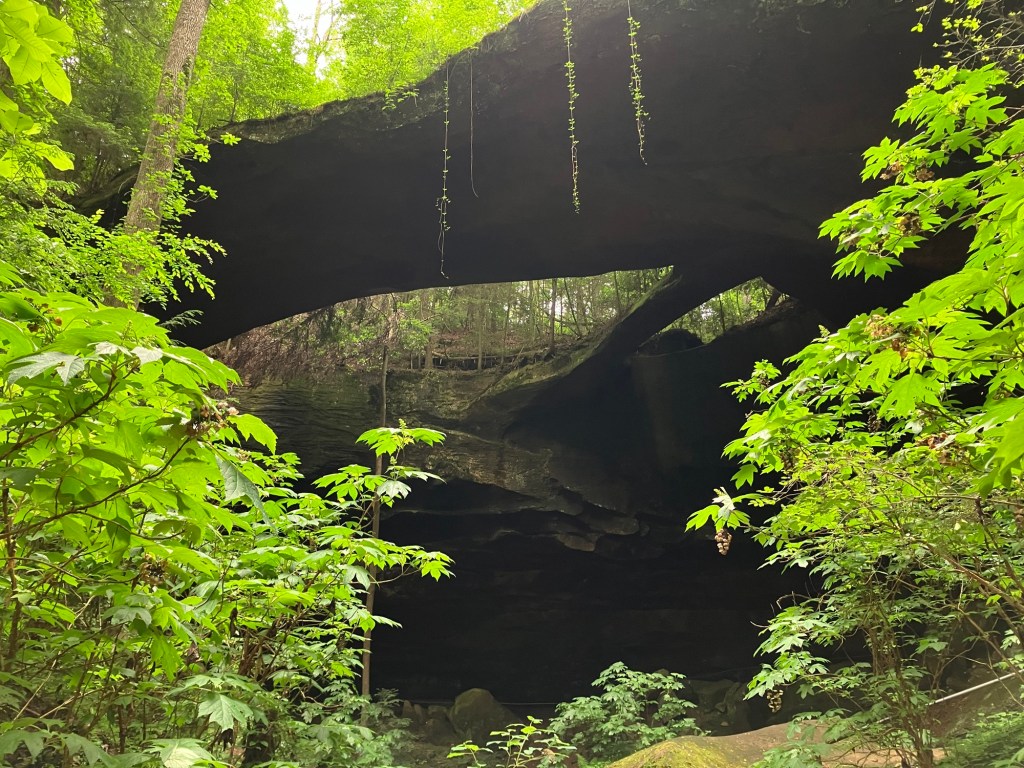
Natural Bridge Alabama But no Parsifalx or Grail stories here.
Florida, Georgia, South Carolina, North Carolina, Tennessee, Alabama,… Jesus and the Bible are everywhere. Take them away and what would happen? .

Bryant Denney Stadium, Tuscaloosa Rather than the steeple of a church, the highest structure at the University of Alabama is, of course, the football stadium. Physical materialism; group emotions and experience; a modern substitute for gladiators; the earthly core of the university. And proud to be so! This is what I walked away from in late September 1971.
State governors as representatives of the average mentality in states.
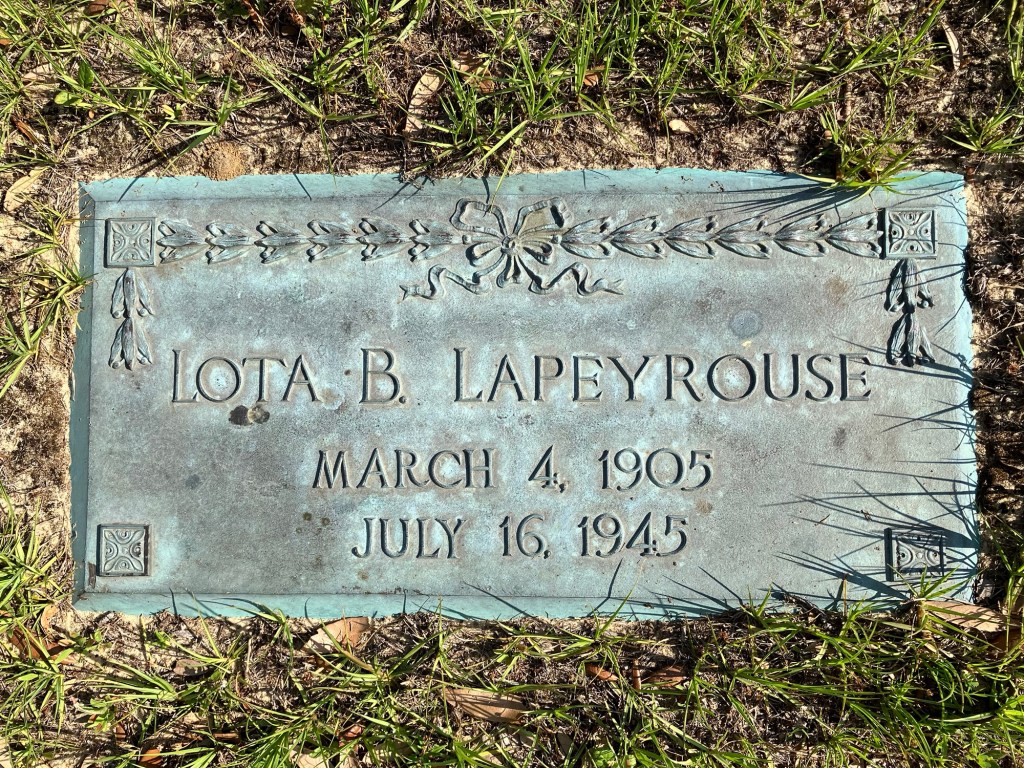
My real grandmother, who I never met. And for decades did not know existed.
(Southern Memorial Park; Biloxi, Mississippi)
The majority always sleep into the mentality of the civilization which they live. (Southern Memorial Park, Biloxi, Mississippi)
The word “raunchy” comes to mind seeing some of the denizens of Bywater, New Orleans, Louisiana.
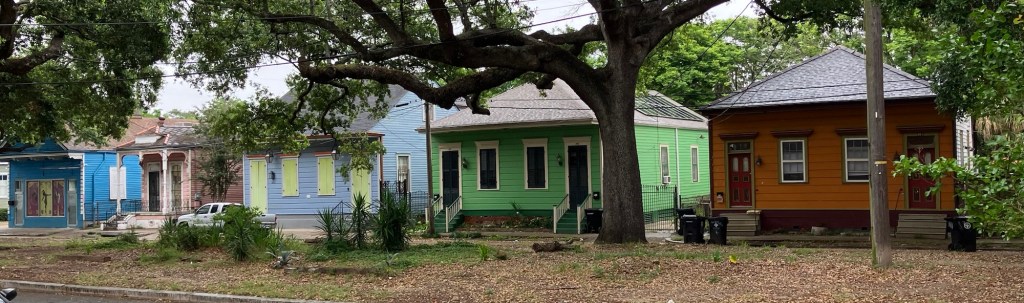
Bywater, New Orleans, Louisiana As outside, so inside? (Inside as to furnishings and psyches.) An antidecor to homogenized suburbia.
A phone conversation related to a family grave in Centerville Mississippi exposed me to a cordiality of the South I have not experienced with such genuineness for decades.
From Piety Wharf of Crescent Park, Bywater, New Orleans:
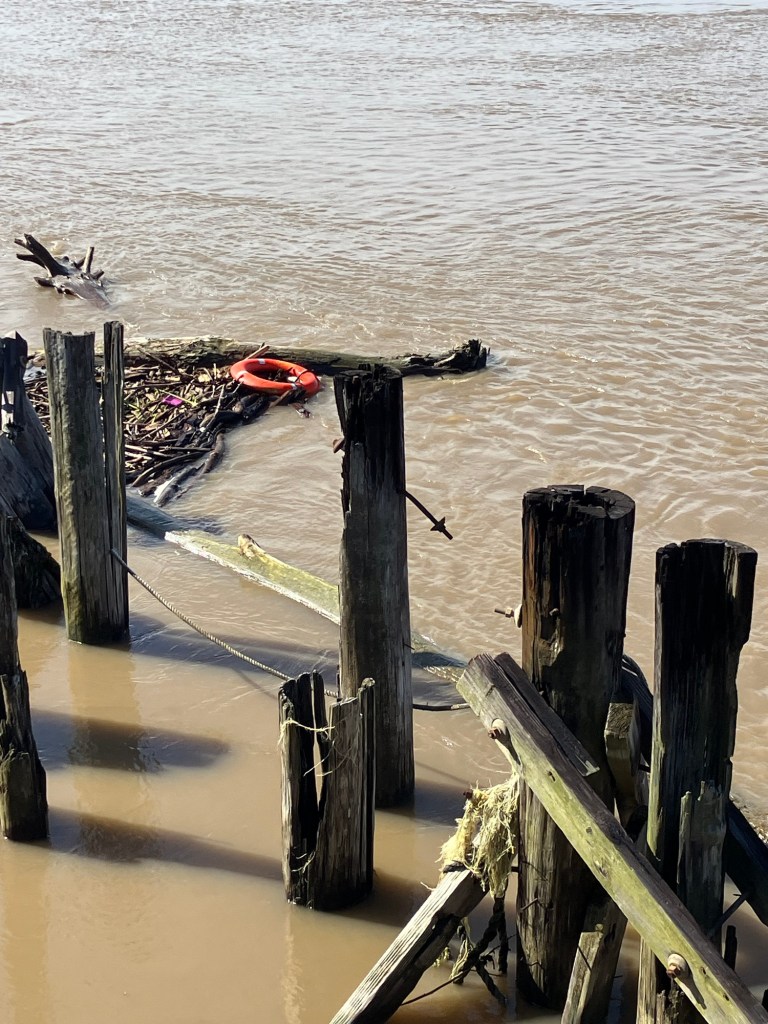

Ninth Ward levee, New Orleans Quite by fortunate chance, I seem to have found distant relatives of my paternal grandmother. Ashley County, Arkansas. But will they call me?
Steppenwolves experience their selves living in a world of dollar-collared doggies and puppies.
“Retiring” would be from the hustle and hopes of and inside shared human societies. Towards something higher.

The assumptions inside of which I was much more than less unconsciously raised, that Life, World, and History are somehow comprehensible by middle- and upper-middle class social ways… well, that is the projection of an inadequate if comfortable worldview to say the least. (Bywater, Louisiana)
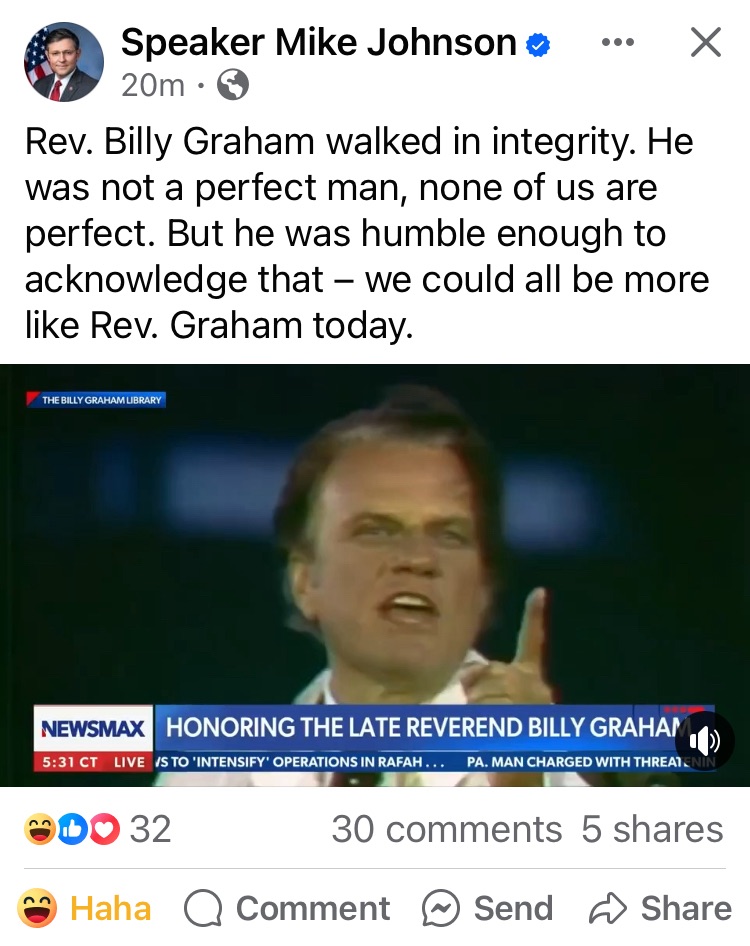
This is what passes for depth of person, meaning, and religion in America. Graham chose passive faith over active spiritual independent knowledge.
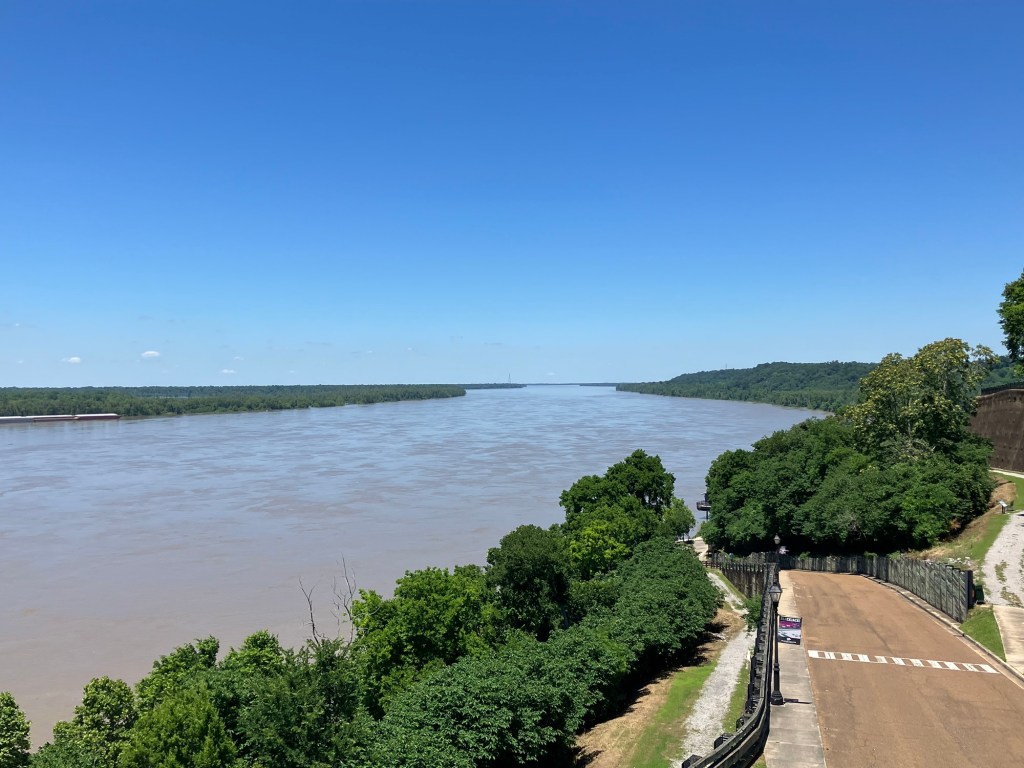
Leaving Monticello, Arkansas, with its different pronunciation of “Monticello”, heading west after meeting yesterday, never before known, distant maternal cousins… I feel a certain freedom heading west.
How best to relate to those who are ignorant, stupid, and proud, but barely know it. If at all.?( listening to the radio in nEast Central Arkansas.).
The possibility, the task?, the challenge to surpass the patterns of social discourse, so as to speak freely as and from one’s self.
Approaching Dallas metropolitan area and all the sprawl… The question arises and if there is no axis mundi?
The sign said “hitchhikers may be escaping inmates”. Childress, Texas.
West Texas Saw my first real Indian woman face at a gas station, and a man with a 10 gallon hat in a long car.
“Jesus loves you” in west Texas, too.
Just inside New Mexico I learned that “beyond reasonable doubt – Jesus is alive”. Popular guy. Even a national American figure!

San Miquel del Vado Church In the US, social forces lead men and women to devote their time and mind and lives to house and home… true and real steppenwolves and steppemwolverines do not so live. Rather than live by “man has on the earth no home, but he does have wings to heaven”, most live by ‘man has on the earth his home and religion, if not Jesus himself, leads them to heaven’. There have been signs of Jesus across the entire country seen. (Santa Fe, New Mexico )
Historic Santa Fe: exterior travel without inner change and transformation is essentially entertainment. Hence quite popular.
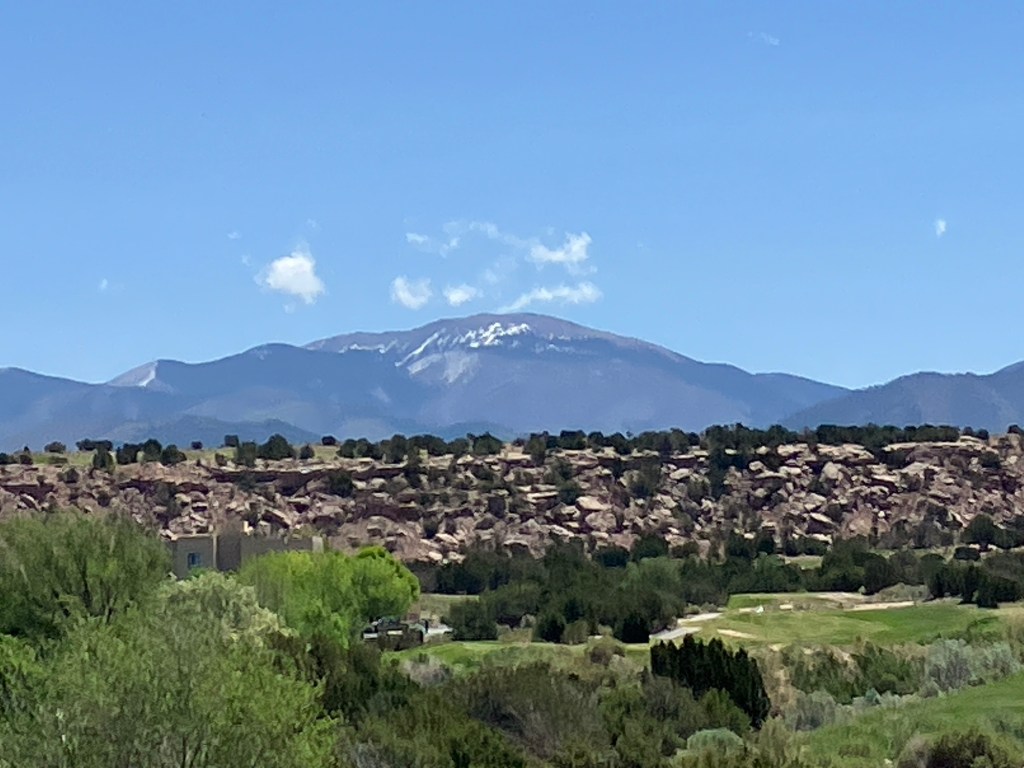
Santa Fe Mount Baldy North of Santa Fe… Another Jesus sign: how would millions of Americans across the country be without Jesus?… Another sign says “Jesus is coming again. Are YOU ready?”
Breaking news: Nikki Haley will vote for Trump. No matter that he had attempted a coup. I am leaving this country.
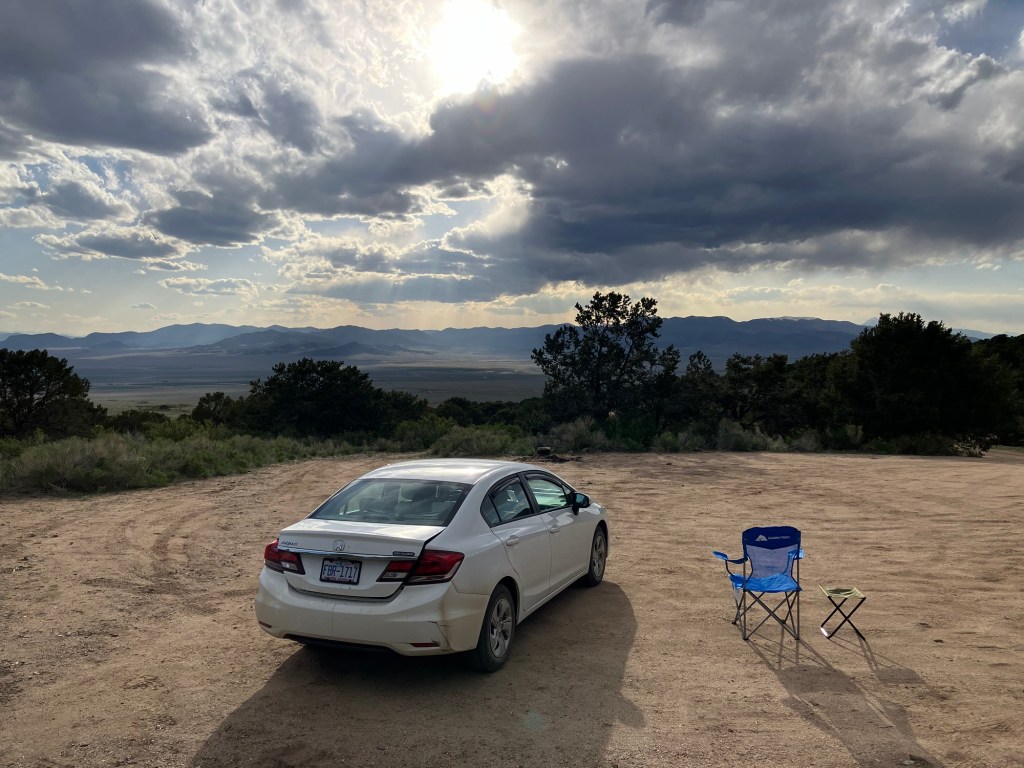
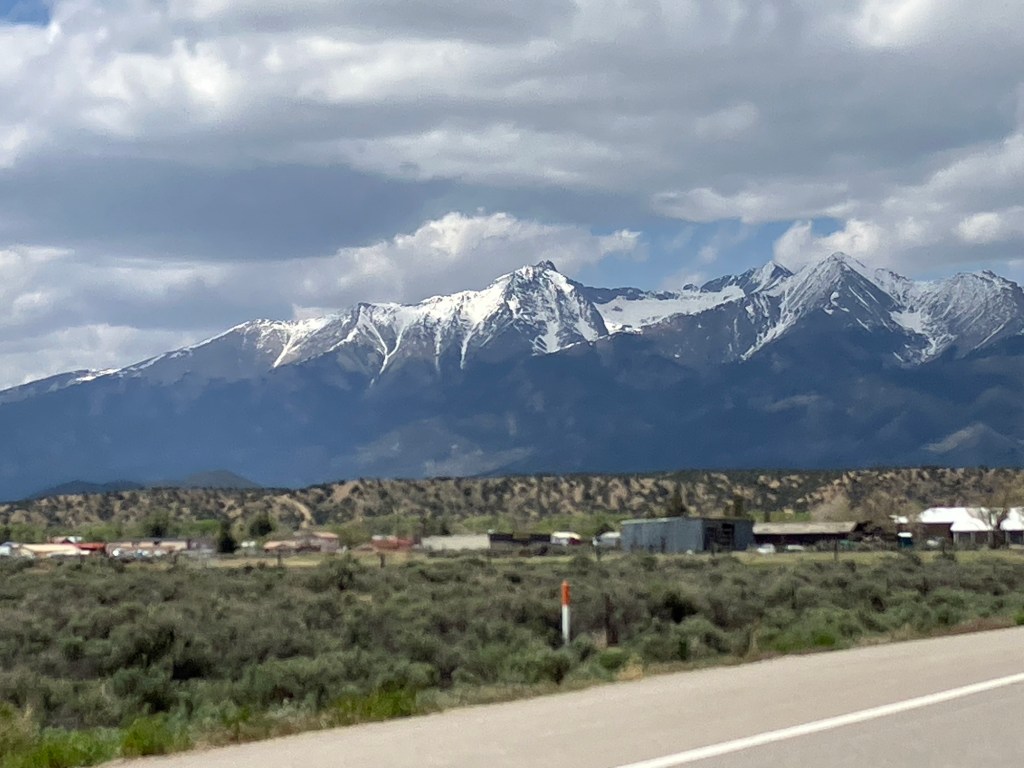
In the Sangre de Cristo Mountains  Ich bin nicht hierhergekommen, um mir das Land und die Berge anzuschauen, sondern um mich zum Besseren zu verändern und danach zu streben, männlicher zu werden. Allerdings auch im Zusammenhang mit einer Art psychischem Schreckensanfall, den ich eines Abends im August 1974 am Lagerfeuer erlitt.
I certainly had not planned on sleeping in 36° nights. I wore pretty much what I had, including layers of shirts and jackets and piled on me towels and a sheet and a cotton blanket and… I slept sort of OK.
Does Supreme Court Justice Alito actually have a higher loyalty manifest in a Christian smugness?

North Crestone National Park campground: Site 5, by the creek: We tend to go to Nature, tather than understand we humans need go through it.
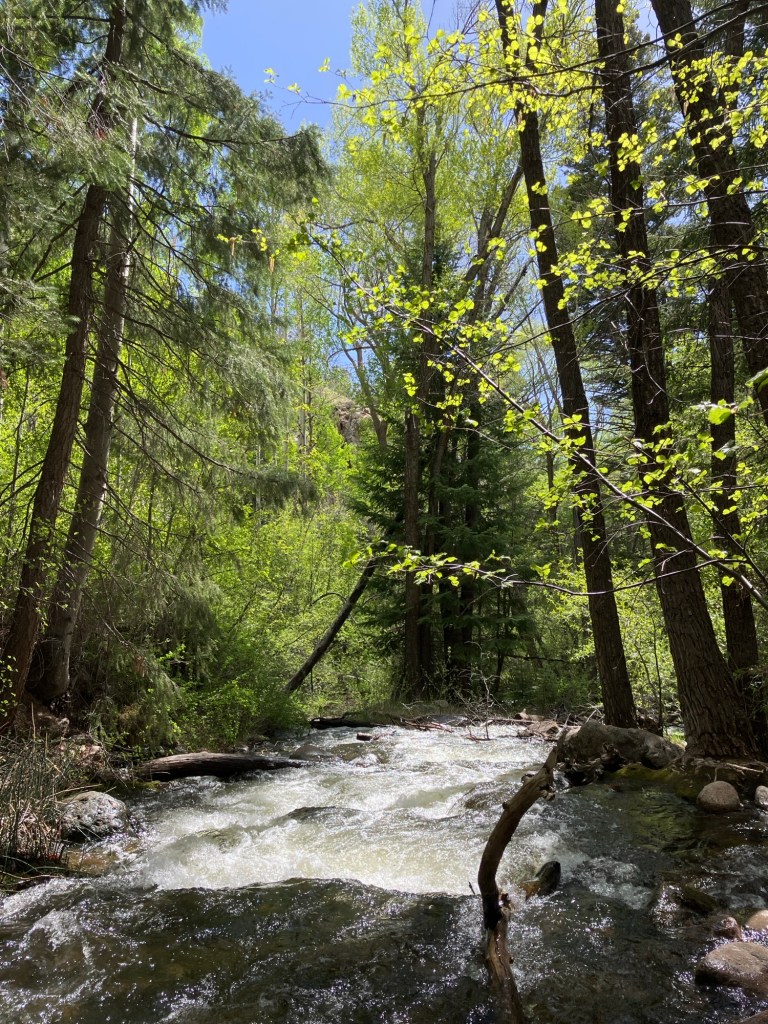
North Crestone Creek  At its depth I drove across the country to review and reflect on an experience at this (approximate) spot in August 1974.
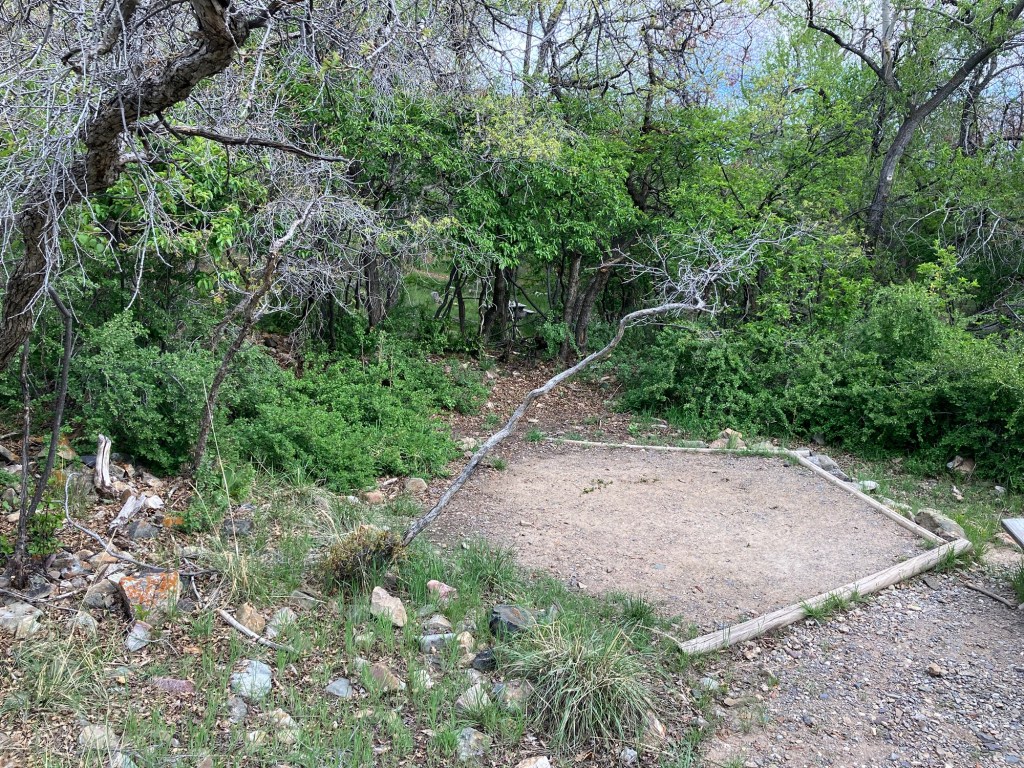
Valley View Hot Springs Approximate location of an evening campfire, August 1974. 
So Trump actually helped rig his first election. 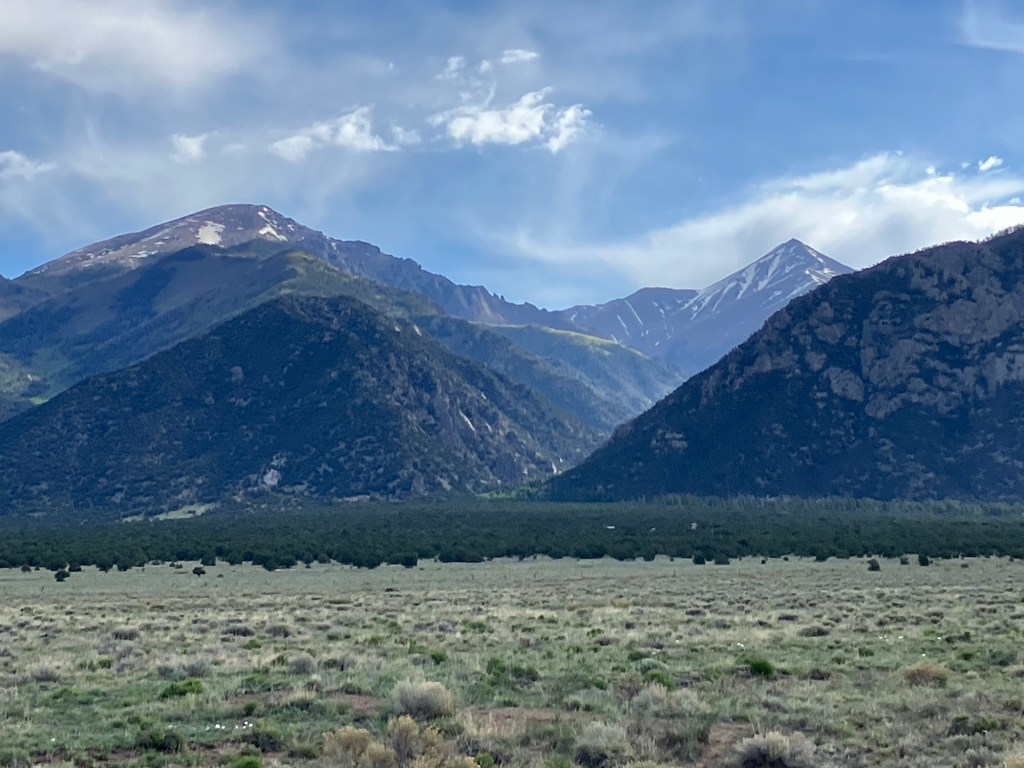
Looking onto North Crestone Creek  Leaving the Crestone area, this was the peak intent location of my cross country trip. Now, with still about a third of America to travel, and then returning east, the main point of my trip was met, and in fact more than less achieved.
If all you are born and raised, surrounded by are variations of Jesus and Christ, it is less likely, you will turn to Plato or Buddha or even perhaps Thoreau. (Del Norte Colorado)
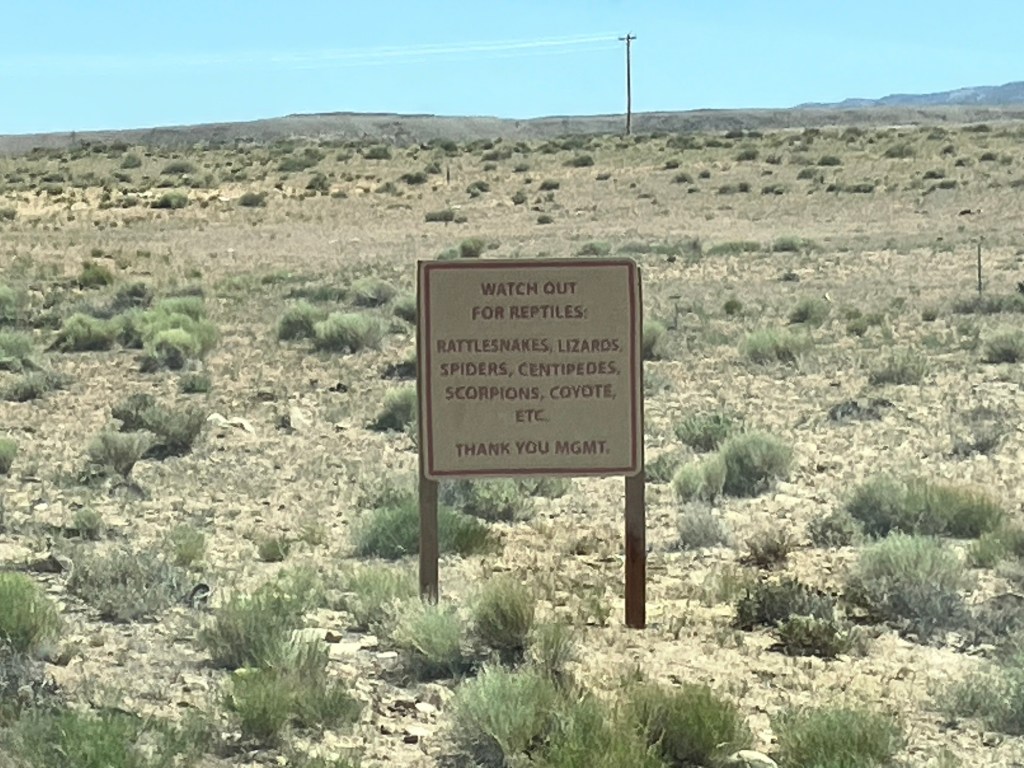
At the Four Corners The area approaching the Four Corners from the CO northeast heading towards the AZ southwest suggest such a physicality to life and man that “philosophy” might well require to be ingested.
A rather long and demanding 12 hours on the road from North Crestone Creek, CO to what turned out to be Sunset Crater, AZ
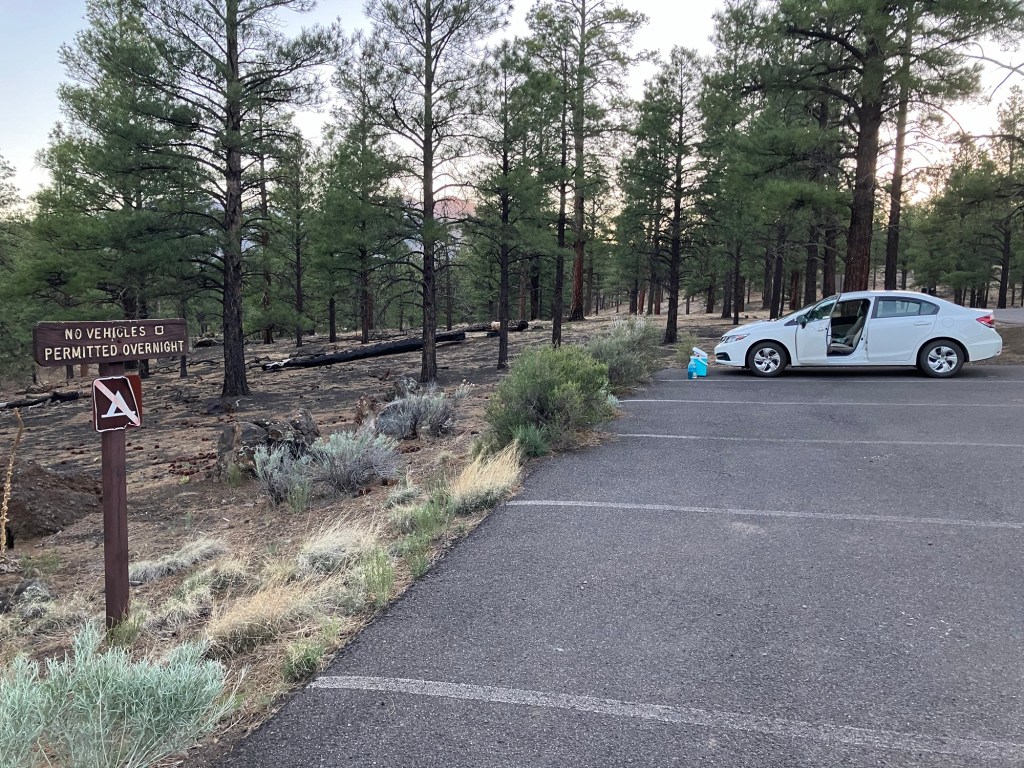
Dusk at Sunset Crater Arizona. A Dark Sky area. I shall see how much can be seen.
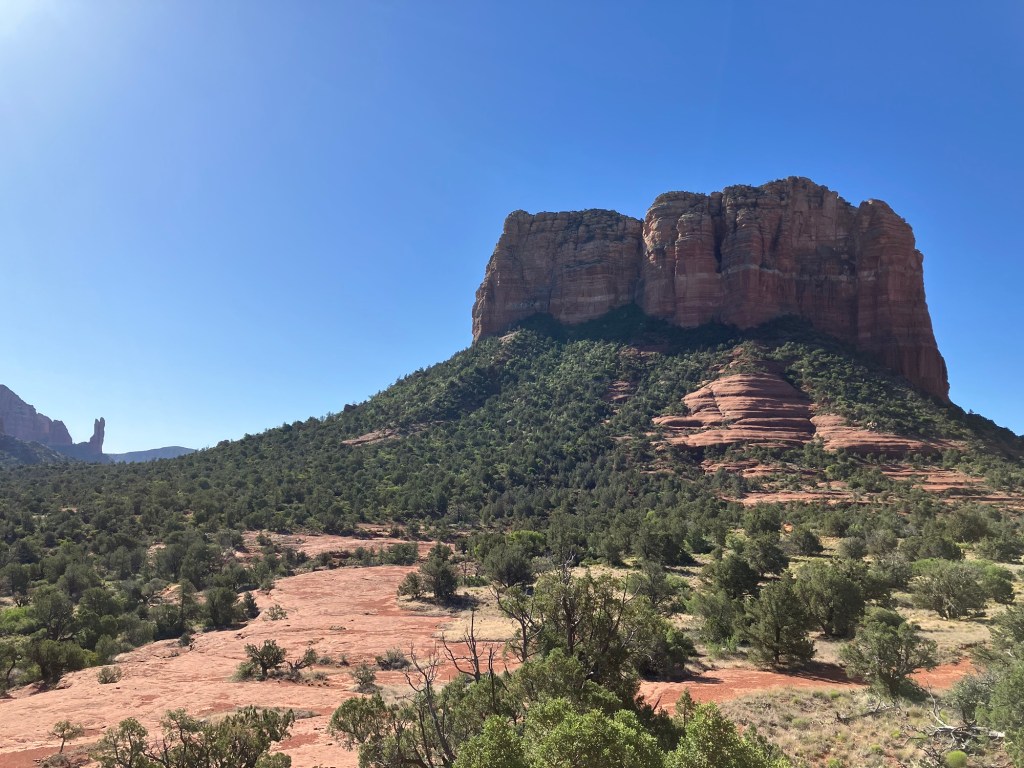
Sedona, Arizona While one could reflect on Darwin and the geological ages… We mainly viewed this aesthetically and emotionally. One could imagine the natives, indeed coming here for a spiritual message from beyond here.
A seeking of outer “drama” to our inner paucity?
Nature, however, we multifariously imagine it isn’t, is below us.
Since the purpose of life is shopping, it is absolutely correct for the stores in Phoenix to look just like the stores in most of America.
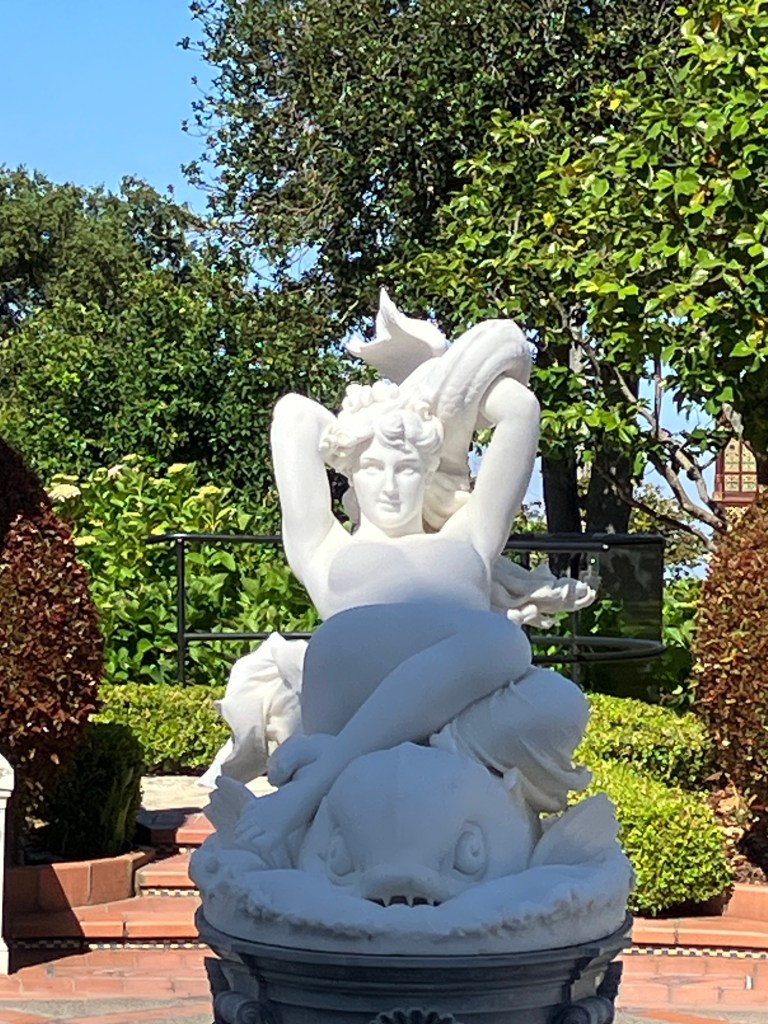
“Hearst Castle” To be noted, as much religious art, as there is there, there is no chapel at Hearst Castle.
On highway 101 in Central California I see a man pushing a cart with a sign, which says “you matter – walking across America”. But he is walking, not west east, but north south. And the hot summer is coming on. If you were walking south north and West East… Well, that would make some more sense. 
From Fort Lauderdale, Florida to Monterey, California the same stores with the same styles…
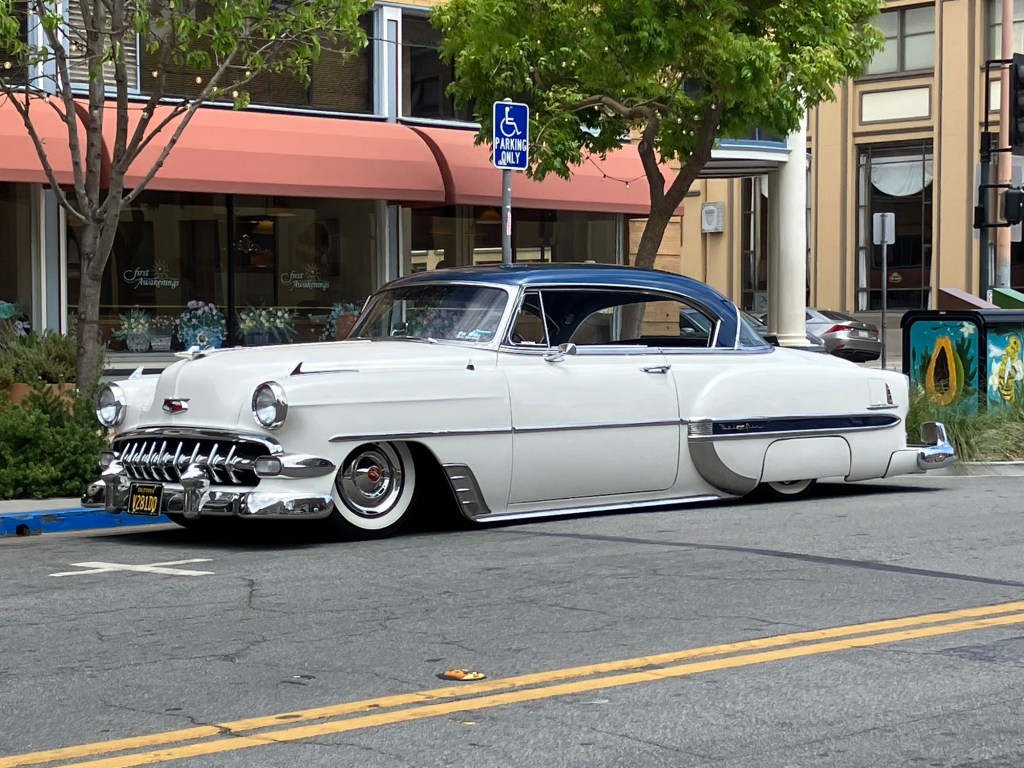
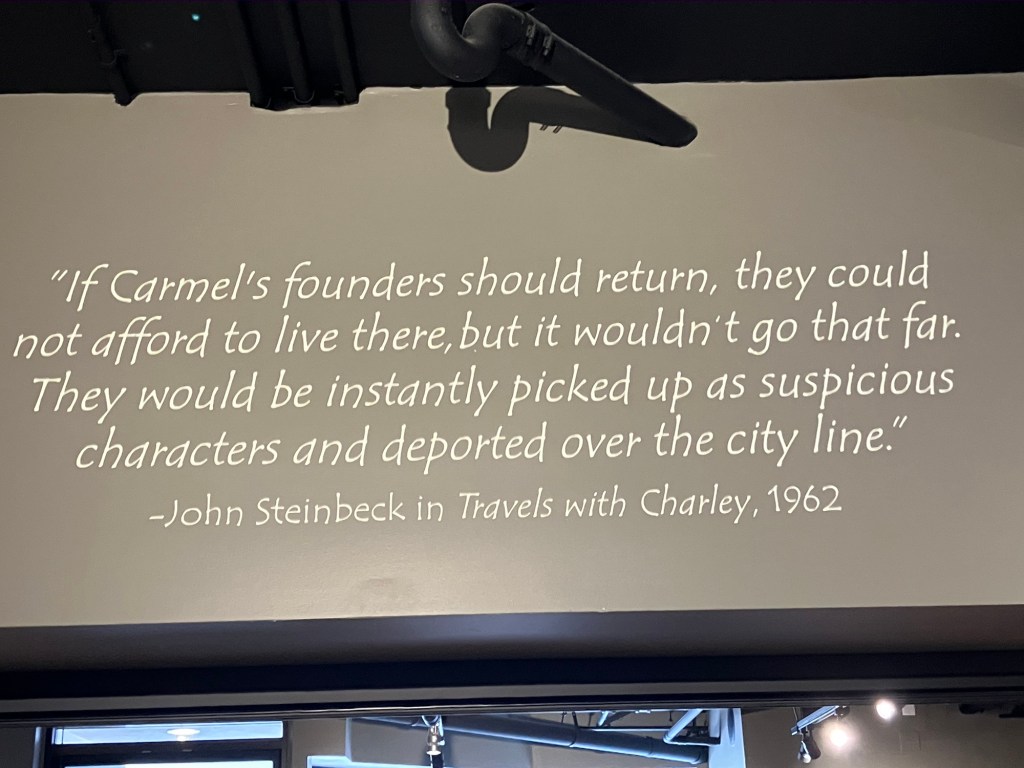
Would not Steinbeck be revolted by what his Cannery Row helped turn “Cannery Row” into: a thoughless comfy tourist destination.
Seeing places and faces on “Old Fisherman’s Whatf” of Monterey… I never need return here again.
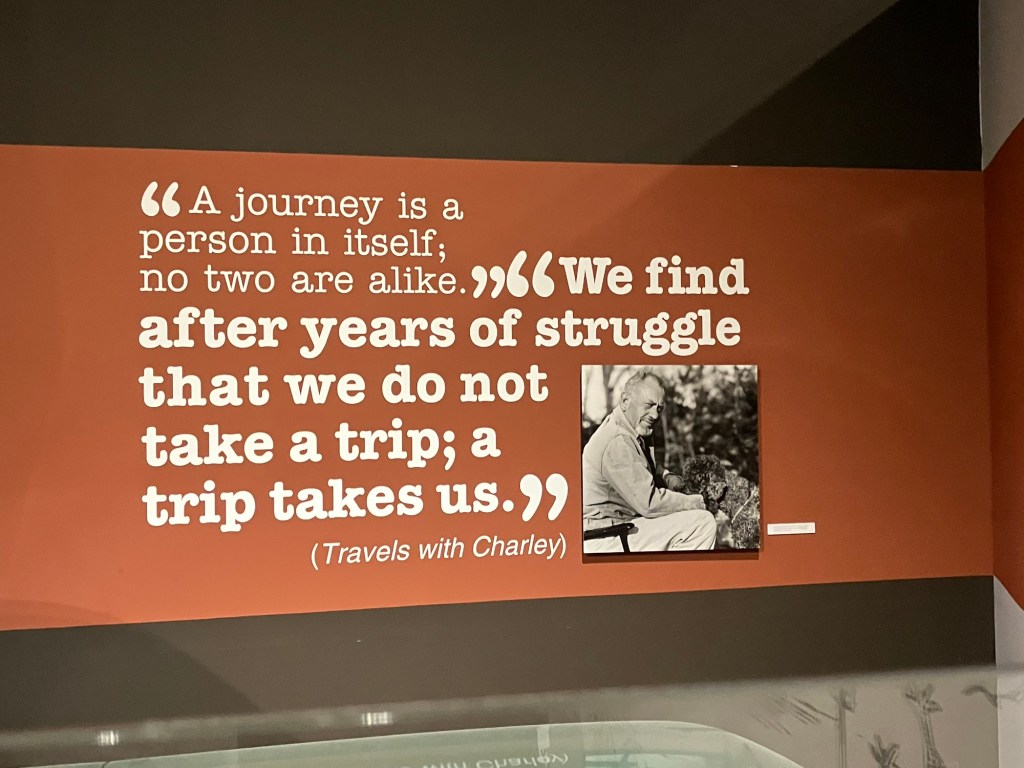
And then I see this in a coffee shop Steinbeck would unlikely patronize:
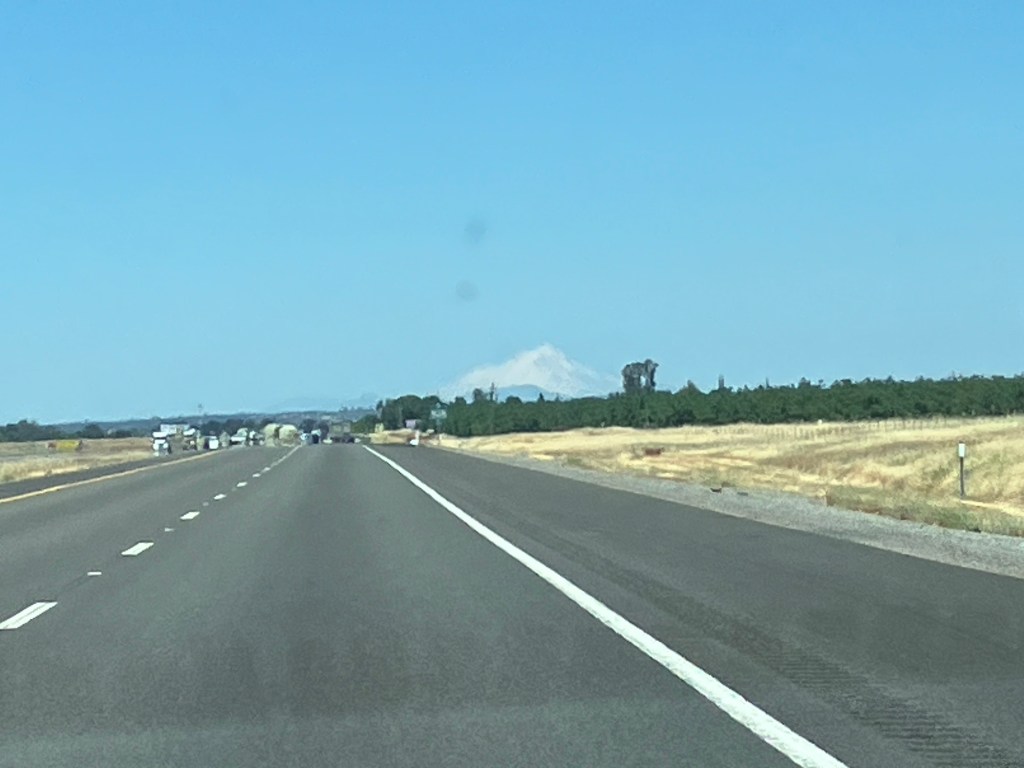
10 to 20 miles back it seemed to cloud… Now it is clearly Mount Shasta A friend of 40 years, now years living in Ashland, Oregon, seeks, and has for years sought, harmony and peace in our world fundamentally disjuncted
Heading south from Weed/Mount Shasta, leaving friends and acquaintances behind who I will likely never see again.
One central man now for decades, by his own particular “lights” made Steiner into a guide who says pretty much what he is wanted to say. The apocalypse of the incarnation of Ahriman began in 1998, “world government” is afoot…. Trump made America stronger, the Democrats are socialists and communists, and Biden is a bumbling fool… Preliminary conclusions about the ultimate themes of the world mean all “news” can be turned into confirmations. And a late “luddite” rejection of computers and cell phones and TV can lead to confirming eg what Biden’s state of the union address disproved… That he is no bumbling fool. I saw this provincial self and groupenclosed America-, world-, and life-view 30 years ago, and my conversation yesterday revealed its developing developed continuance. Good people. Bad to unrealistic ideas, sincerely held. An instance of the plethora of beliefs and ideas which had me leave California in 1994. This particular community had a cell phone/internet free zone… indicative of the many ideas and facts they either reject or dislike or distort. Better to reject iPhones and Wi-Fi than assume an intentional ever enclosing conspiracy, with cell phone, cables and electric providers nearing controlling the population.
Driving out of Santa Cruz, California, I remember and Fil so many memories from the time I lived here, though the Santa Cruz I knew has long been gone. And even the remnants will still soon be completely removed. Even visiting The Food Bin reminds of so many times. And it will soon be converted into a housing project.
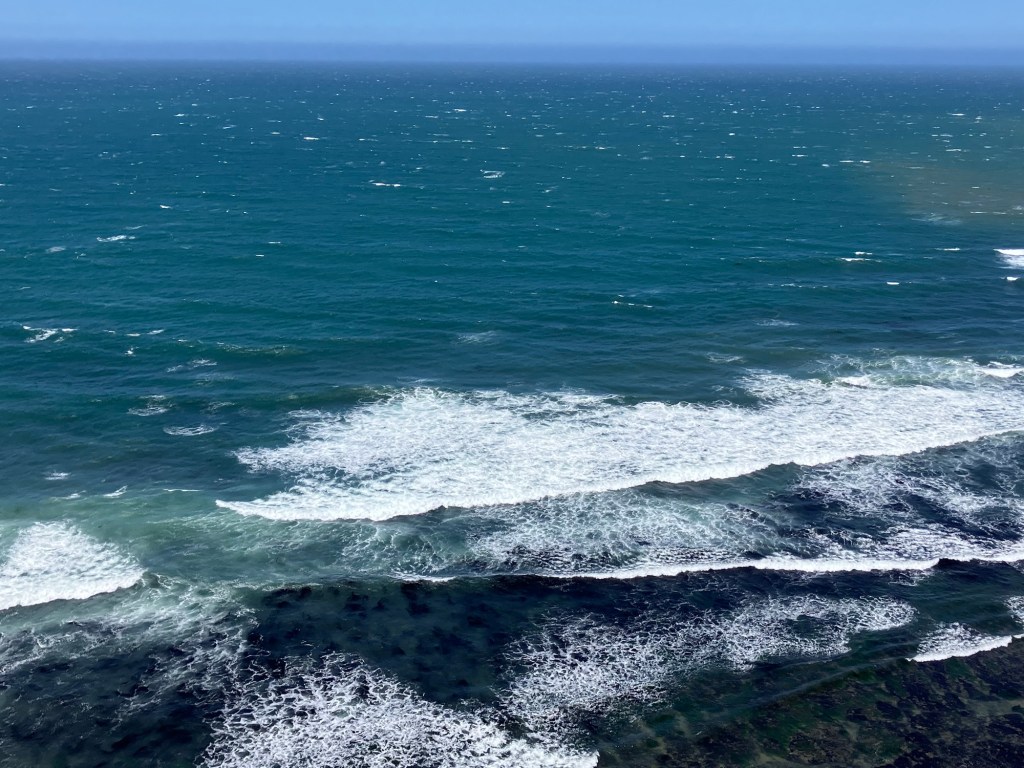
The indifferent Pacific Ocean The mass human propensity to stupidity rather than sin realistically precludes any easy solutions to the social human condition. (Oakland, California.).
Tonight, Sparks, Nevada. $35 for a two queen bed. Will watch the presidential debate. Gott sei Dank. it has controlled conditions to manage the vulgar former President Trump. But in truth, the question is what is my relation to the tens of millions of Americans who have not begun to think independently?
Nevada. 50 E. A full tank. New tires from three months ago. 251 miles Google maps Esme to Ely. Almost to the cars to be seen. Though this is a scenic route, so-called. “The loneliest road in America”. Feels rather alone, and fort to five more hours with just a couple of towns along the way.
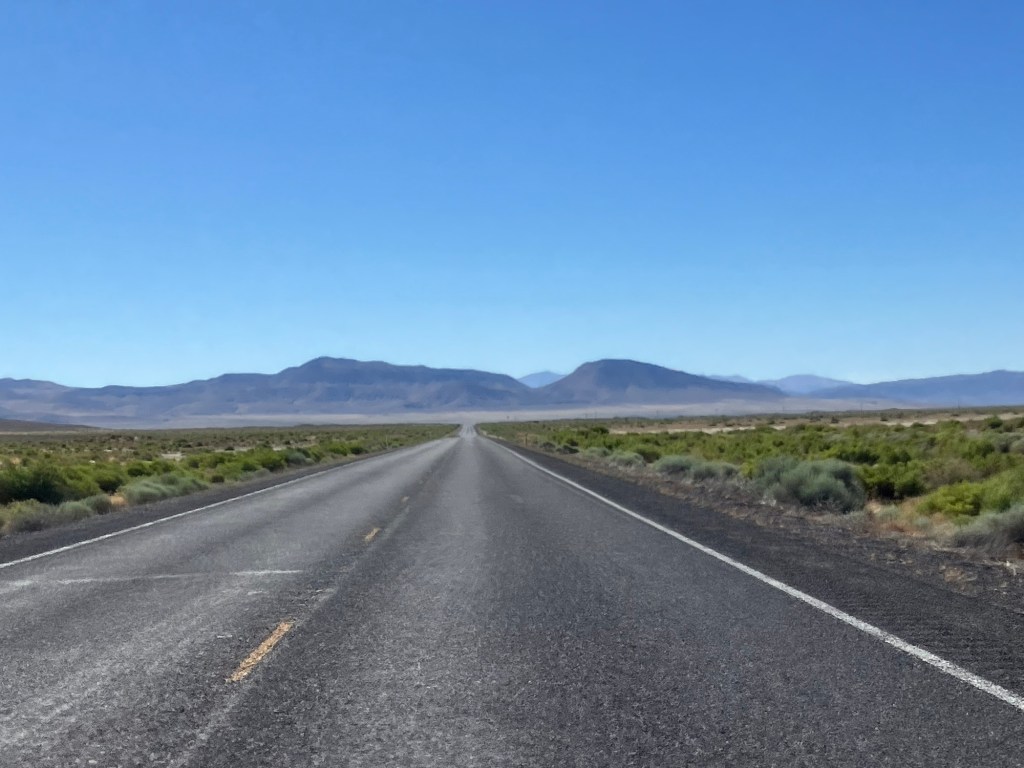

Trying to explain or even describe experiences to those who have only had standard ones can likely not but be unssatisfying.
From Ely Nevada to Lehman Caves visitor center my by the Great Basin National Park car was driven at speeds. I have not done before. Arriving one minute before they closed. Which means I probably have good information on a place to sleep tonight in my car.
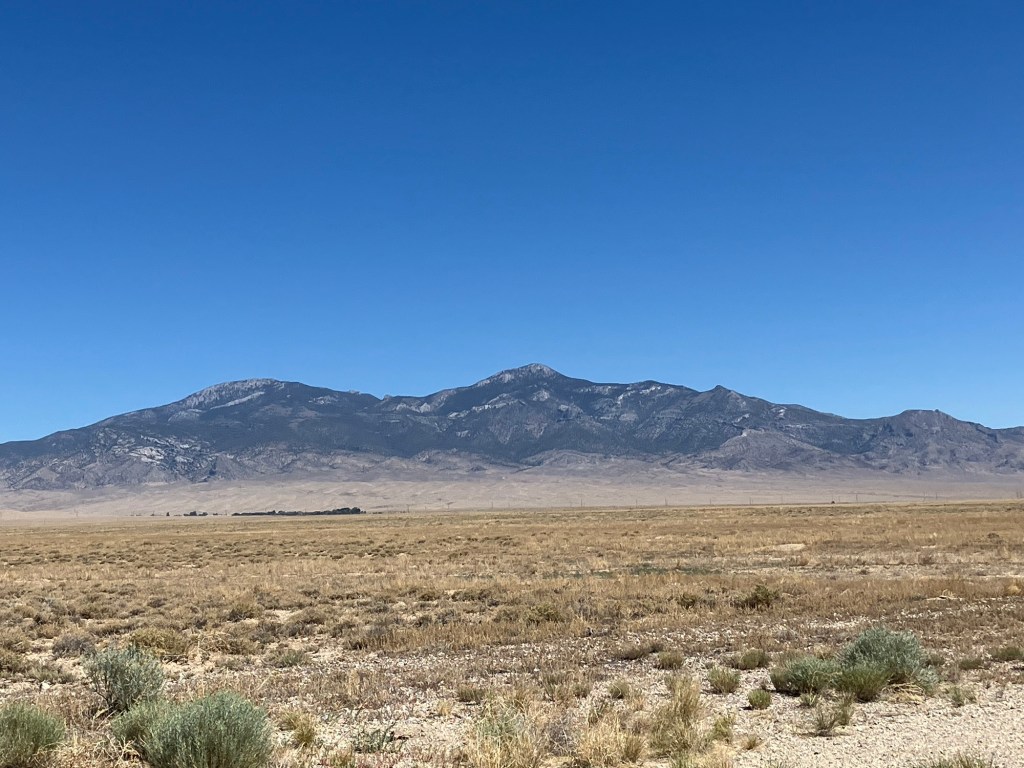
Western Nevada at the border of Utah. The distances between the mountains give a feeling of peace and quiet.
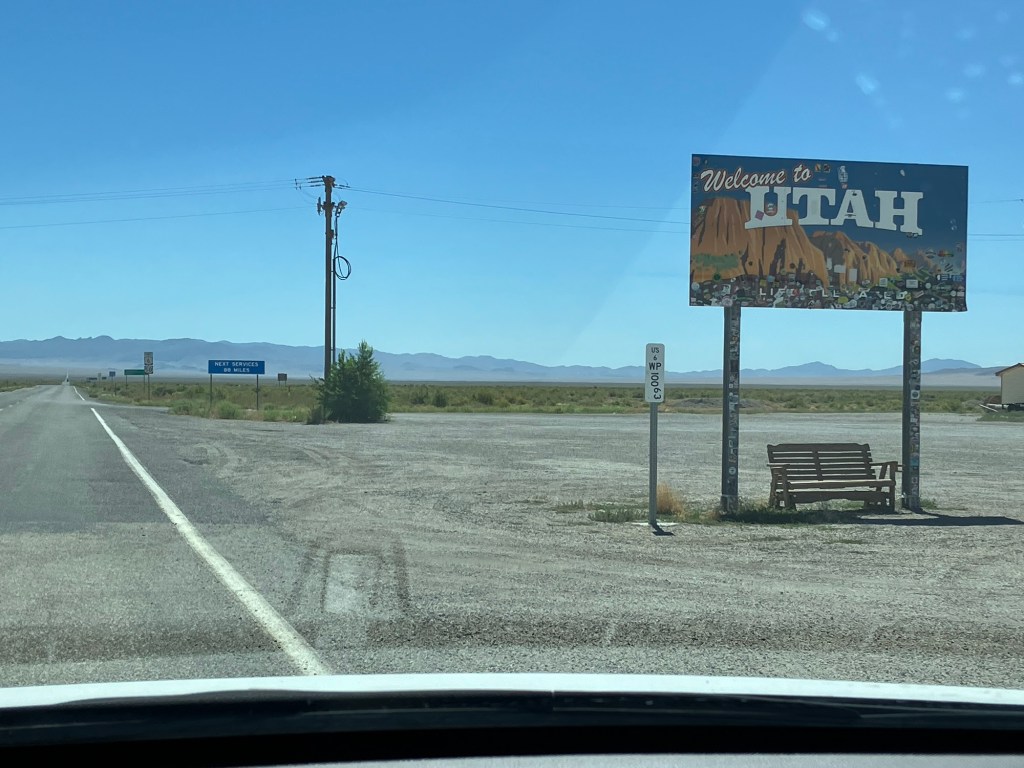
See the distance sign:
Next services 88 miles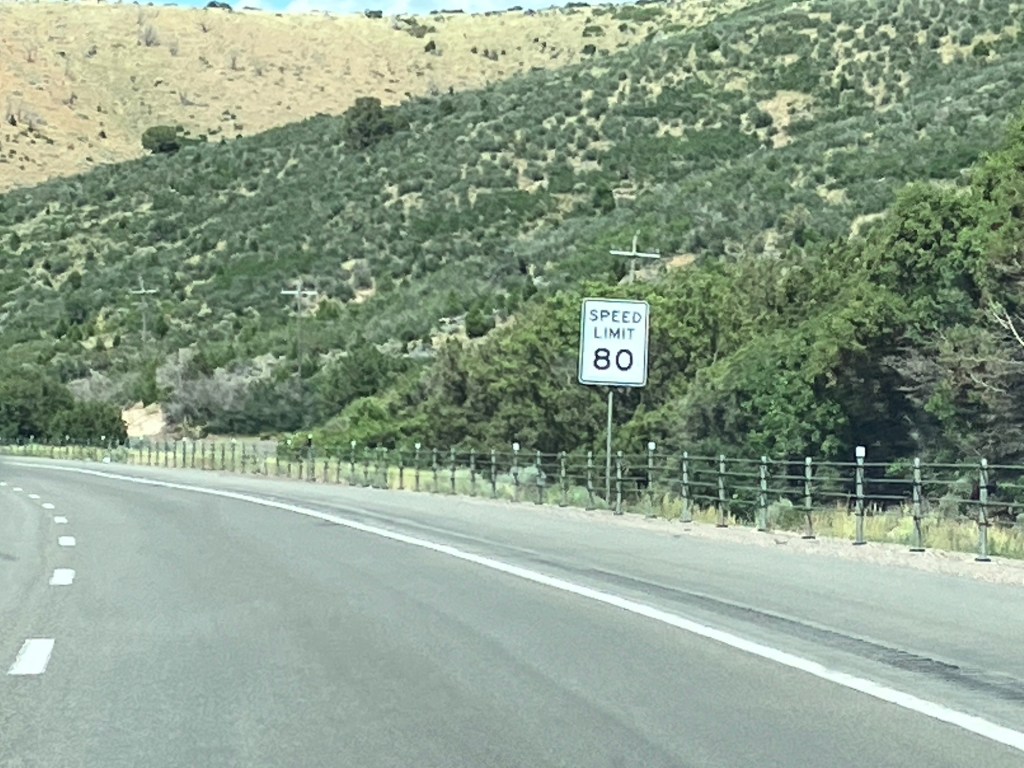
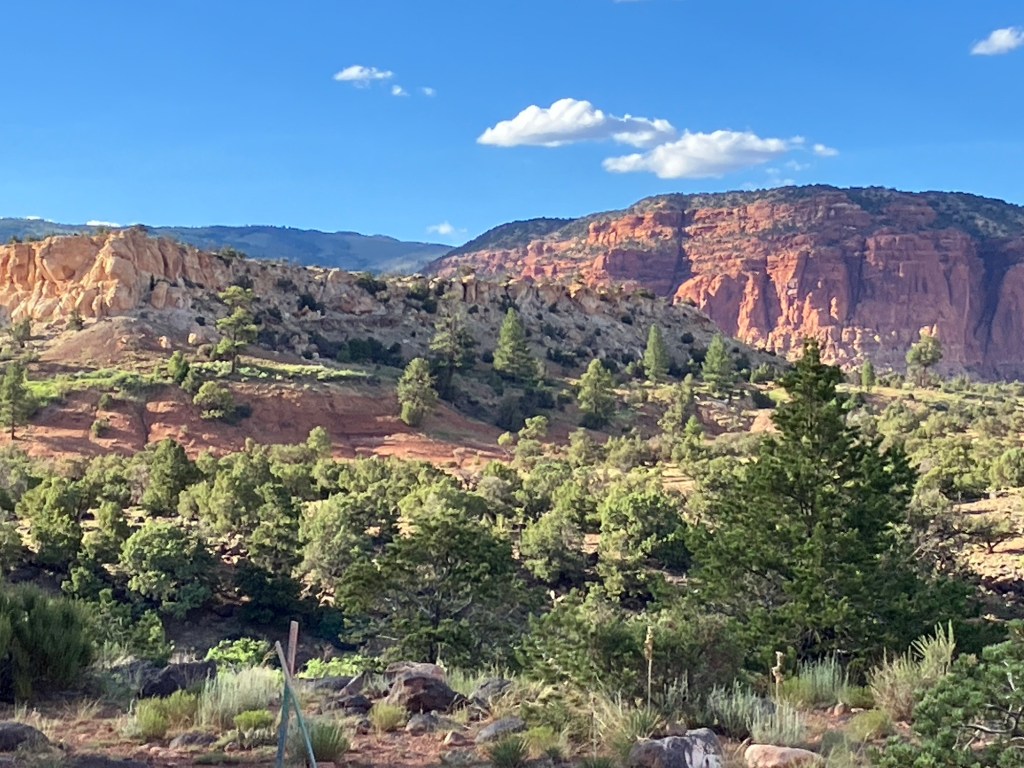
For an “Indian” to go on a so-called “vision quest” presumes the sense of the need.
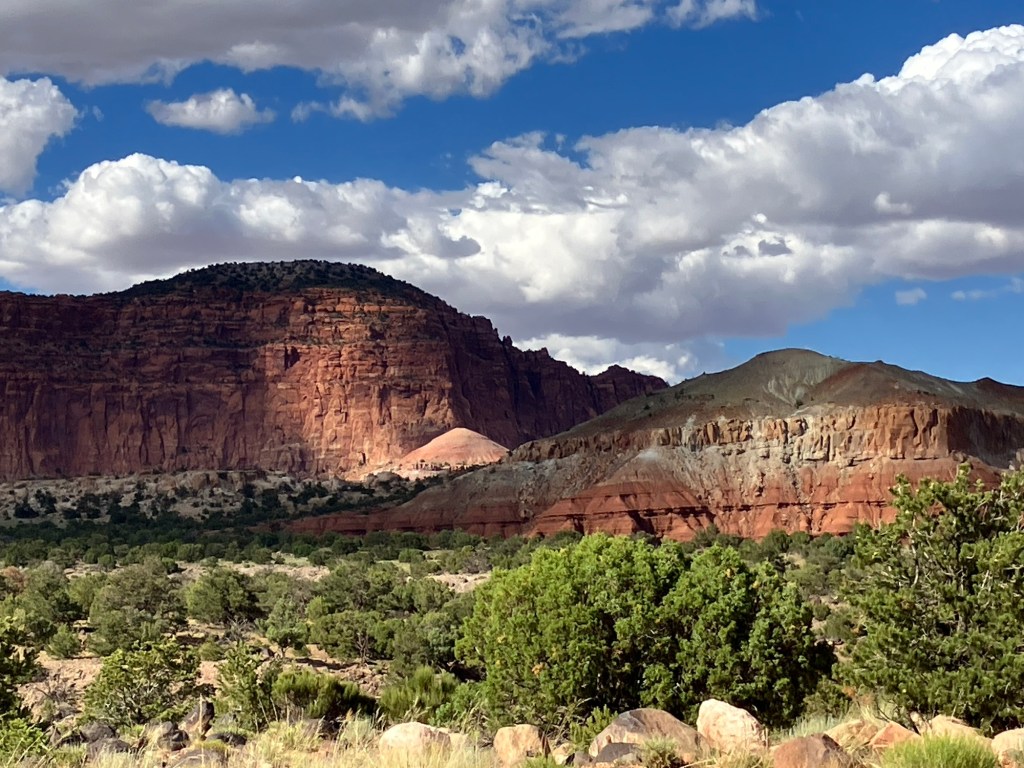
But what do we “moderns” not experience au h scenes as aesthetics of experience rather than earth history, matter, and human limitations?
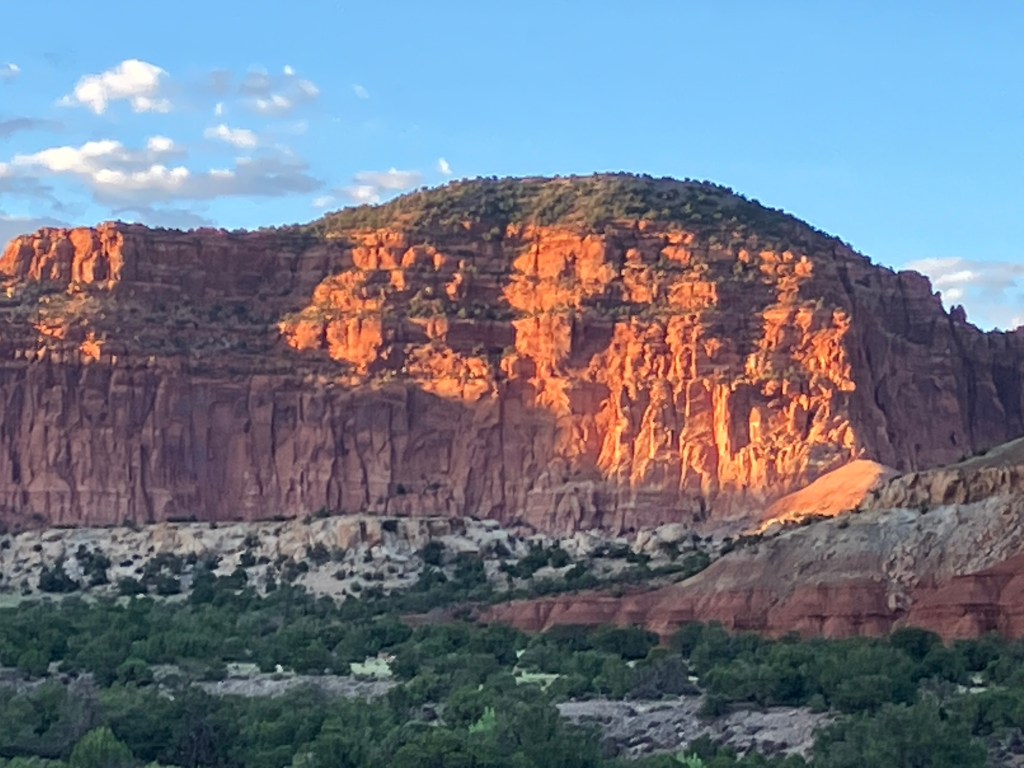
Do we seek outer drama for the lite life we live?
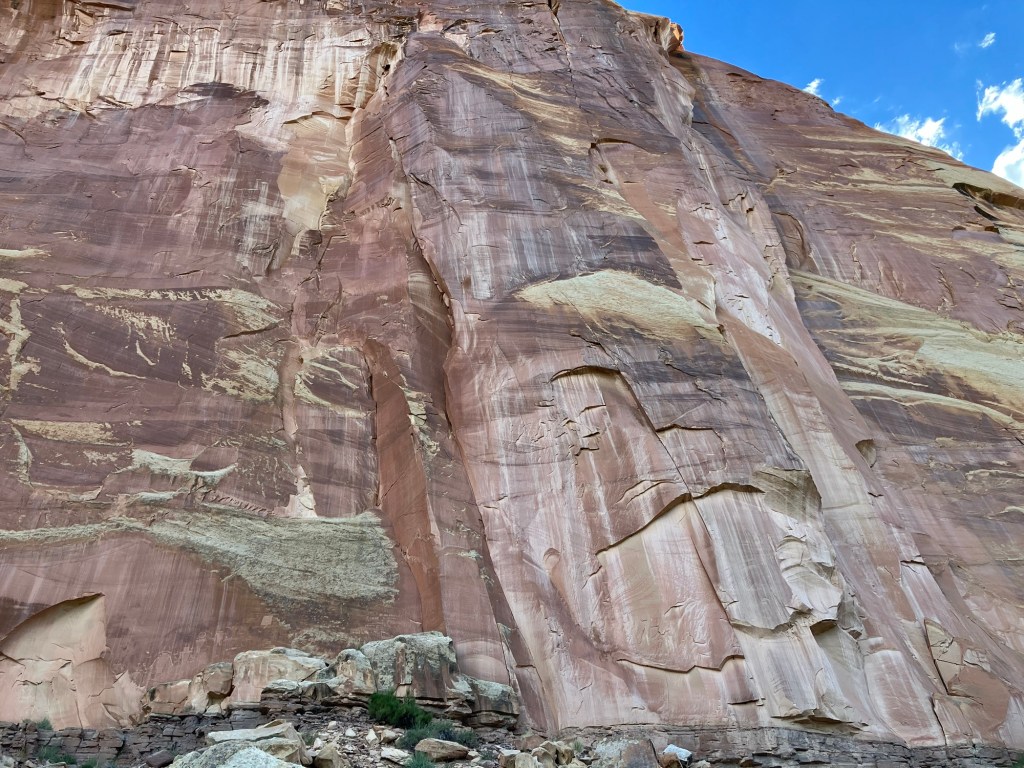
Petroglyph location 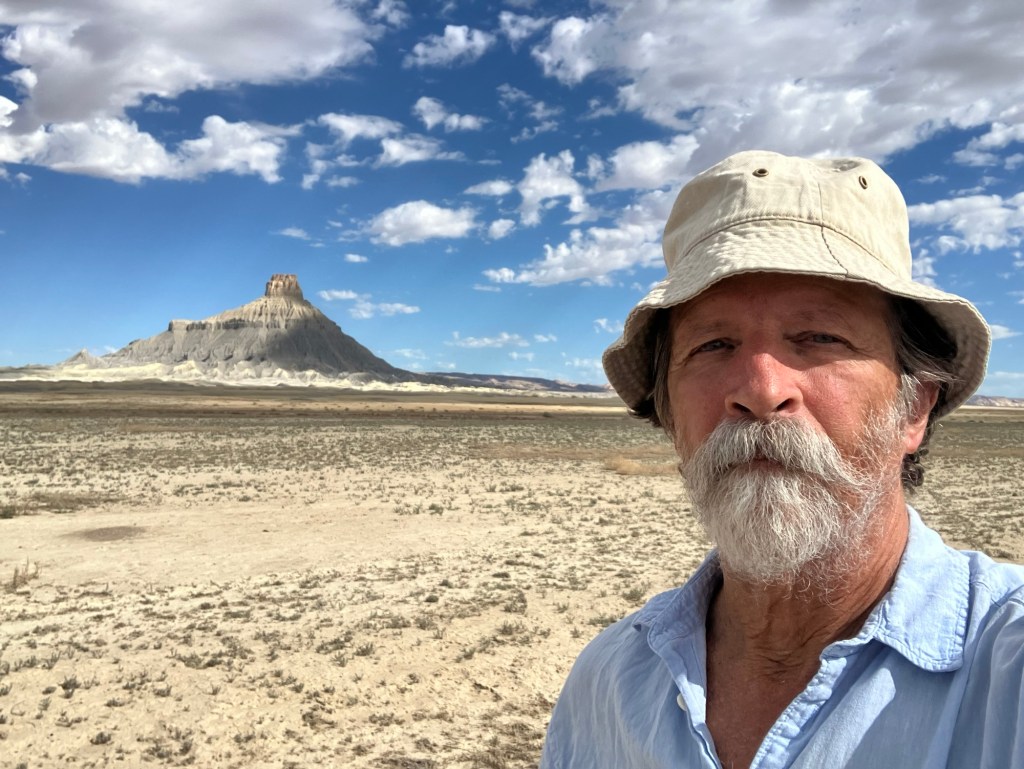
Factory Butte, Utah Places where one finds one’s inner life incorporated.
From Utah into Colorado at Hanksville Utah I had two choices. A road of 125 miles with no services to Blanding, or going north up to Green River and then down to Moab. 125 miles without services was more just now than I wanted to believe. 🤷🏼♂️
West Utah: raindrops!
And clouds!
Attempting to drive from Montrose, Colorado to Gunnison, Colorado, the highway patrol gives examples of times when a pilot car can go through, and the department of transportation of Colorado doesn’t have clear information because the woman doesn’t drive it through there very much… So I’m going to follow my Google maps Which takes longer but avoids parent closures. 
I am reminded of the John Steinbeck quote I saw in Salinas about how one does not take a trip, the trip takes you. How true that  has been along this cross-country way.
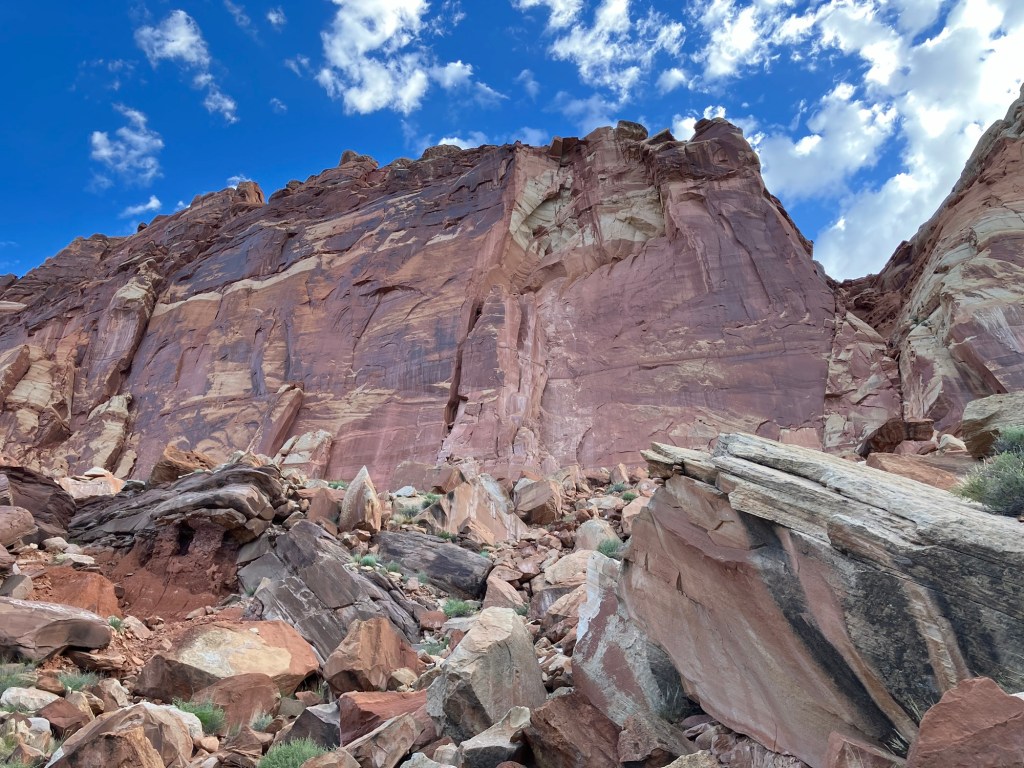
Capitol Reef State Park Before I leave the deserts and buttes, rocks and mountains and valleys of the western states completely behind, I want to record my often thinking of the “ontological status” of those layers of earth, deep inside the mountains, which have no activity, those simply consisting of earth and ground. But it seems to be that I ask the wrong question, or I attempt the wrong imagination, to attempt to place any reflective awareness of myself into those layers of the earth. They are. But to them we cannot really apply the word being. Certainly not consciousness. At least not in any way that we normally can think and imagine.
The McConnell-Trump Supreme Court continues to enforce it’s political stances.
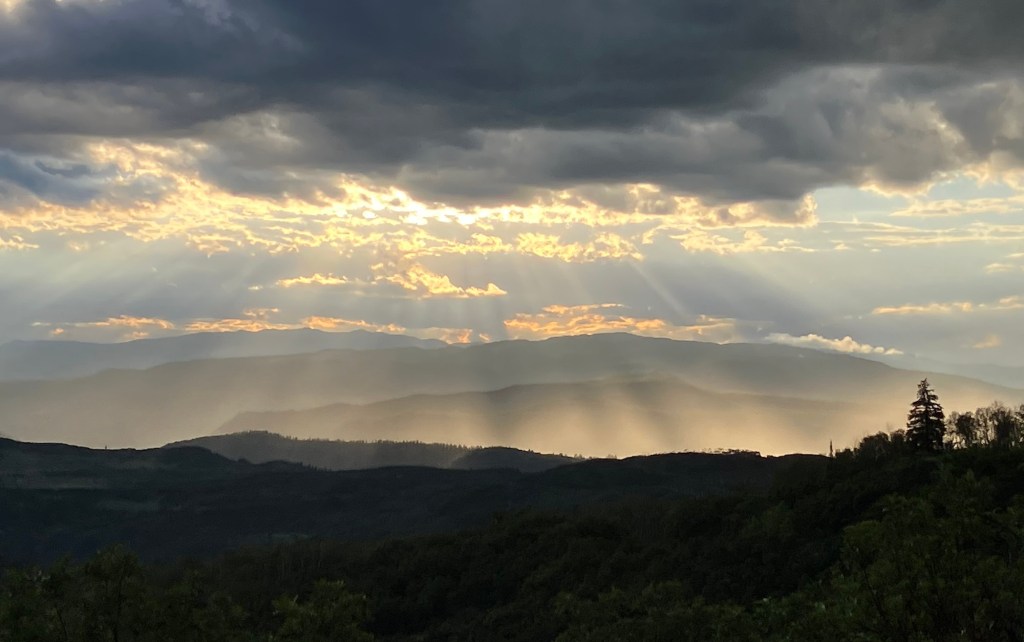
From the Kebler Pass Road It is a rather widespread characteristic that people often cannot answer basic questions about where they live. Of the two examples today…the young woman’s answer was not clear whether the name “Paonia” was from an Indian tribe or a flower? I decided not to press her to admit she didn’t know.
Were it not for the Christians, one might attempt a consideration of Supreme Court Justices, their views of life, man, society and world, sub specie dei.
With the new presidential immunity given by the McConnell-Trump Supreme Court, I believe that Biden should in coordination with the Justice Department have the six justices who voted for it, arrested for endangering the US Government and Constitution.

This is what Nature can grow here in Colorado.
An event which took place beside a campfire at these hot springs in August 1974…
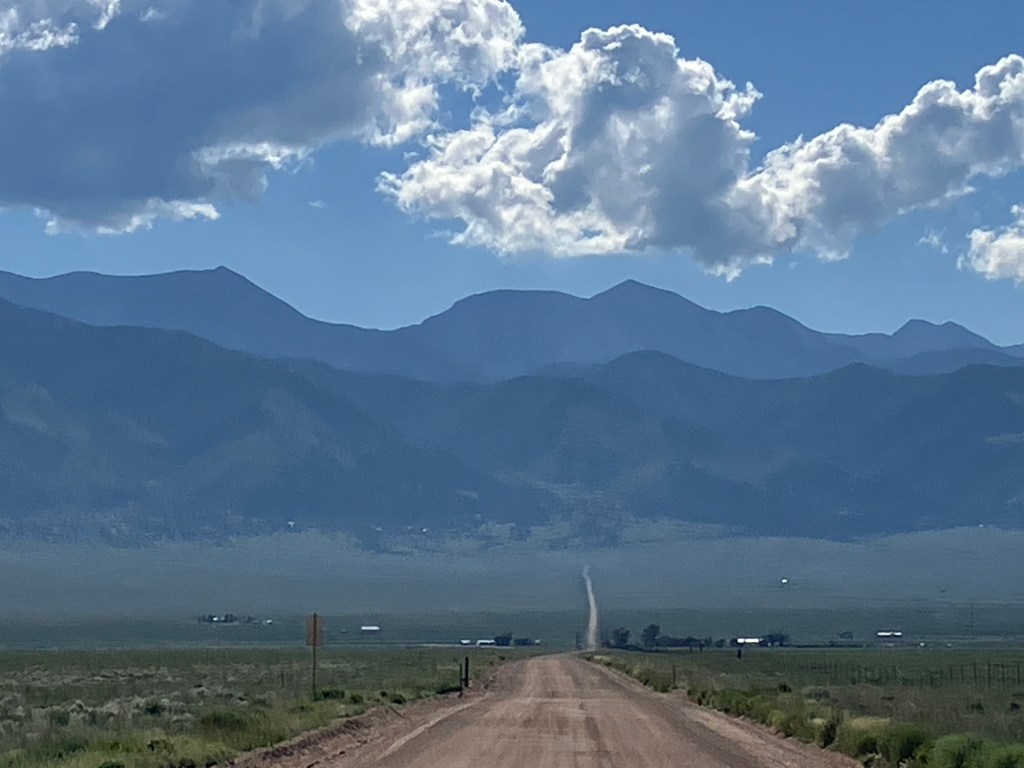
“Valley View Hot Springs” influenced the way that I breathe until now.
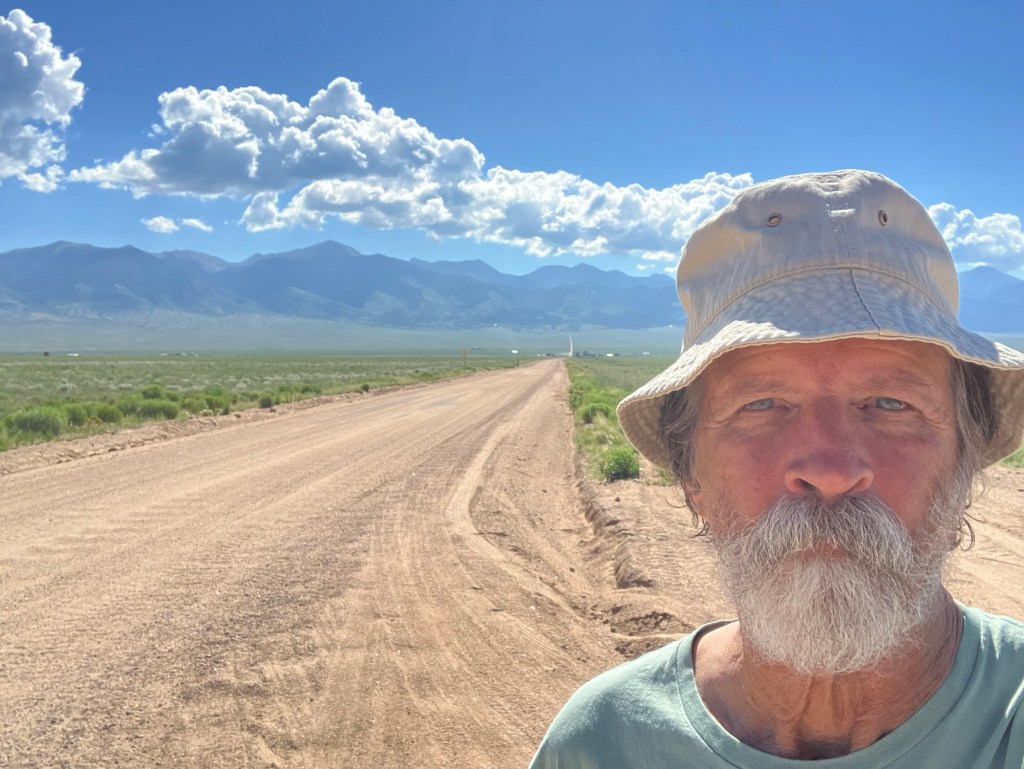
Intersection Road GG/Road 55 EE; San Luis Valley, Colorado Though I travelled this summer mainly to revisit the site of this event… the location is almost unimportant. The event is in me. And that is what I must change.
In Oklahoma… Christianity, so-called, as one can hear on many radio stations is a complete subjection of “Jesus”, “God”, “salvation”, and so on to the subjectivities and social patterns of those who sleep happily in their Pop Christianities. (I use the plural because essentially every Christian song has its own doubtful theology, Christology, and “Christianity”.)
The Ozark Mountains of Arkansas should be called the Ozark Hills.
Pney Bay Coffee, Clarkesville, Arkansas. Password? patriot1776
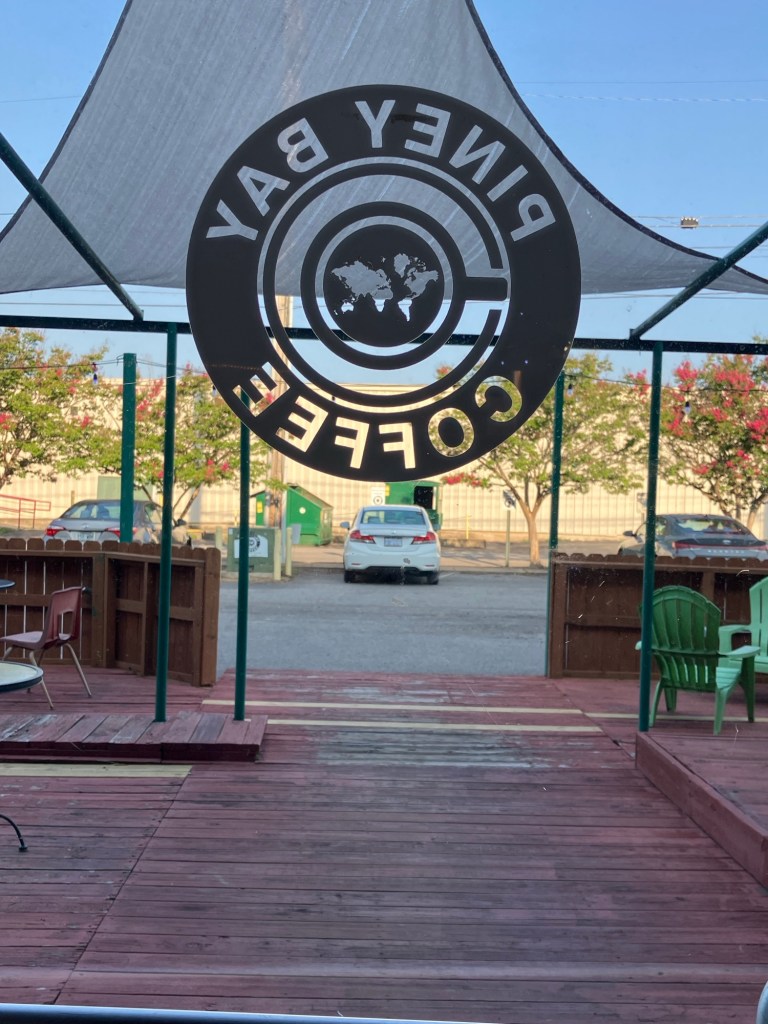
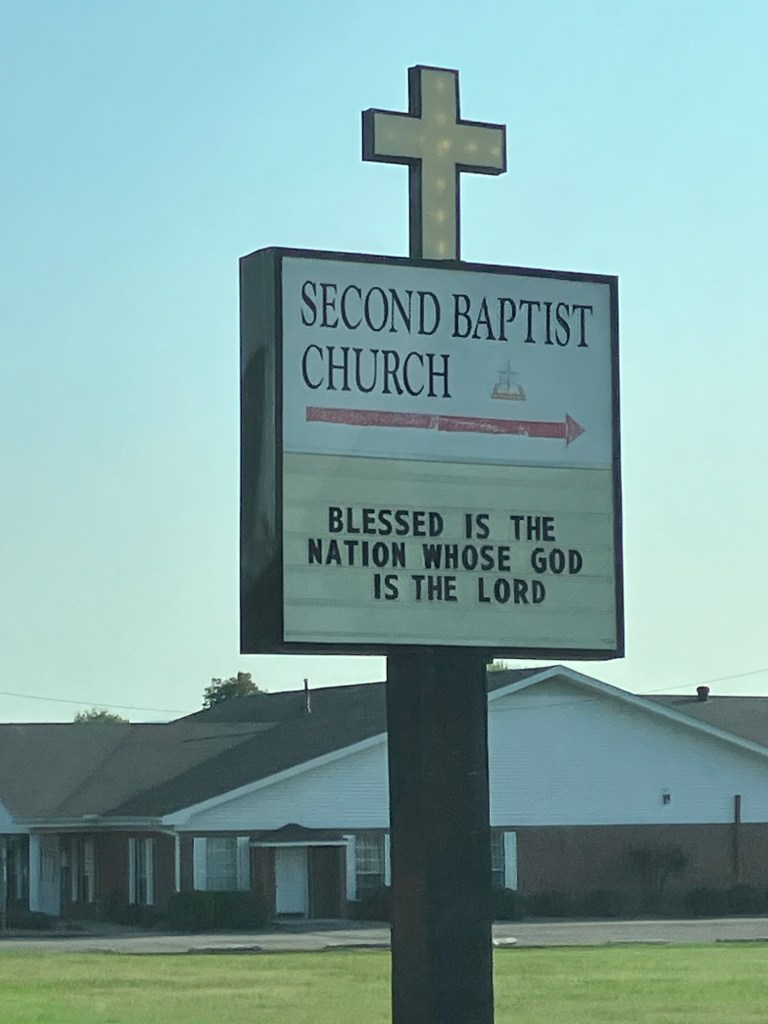
Clarksville, Arkansas But it doesn’t really matter where: the United States is full of intellectually 1/4-awake humans. What should one expect in such a country?
At the limits of the land of the cities,, or little unincorporated areas, one usually sees signs, welcoming one into their named location. But I have never seen a sign with a slogan, which says, for example: welcome to our common, uninteresting, predictable, standard kind of town.
In the USA: money maketh the man. I.e. the $ucce$$ful life. 
Yesterday at a rare lunch – the prices were ahistorically inexpensive – in Daisy Mays Café in Arkansas City, Kansas sat a woman, probably 80 pounds overweight overfilling with no taste a dress with the pattern of the American flag. I wanted to take a photo, but reflecting on it now, I realize that it would’ve been a kind of violation of the local café community, trust, perhaps even innocence.
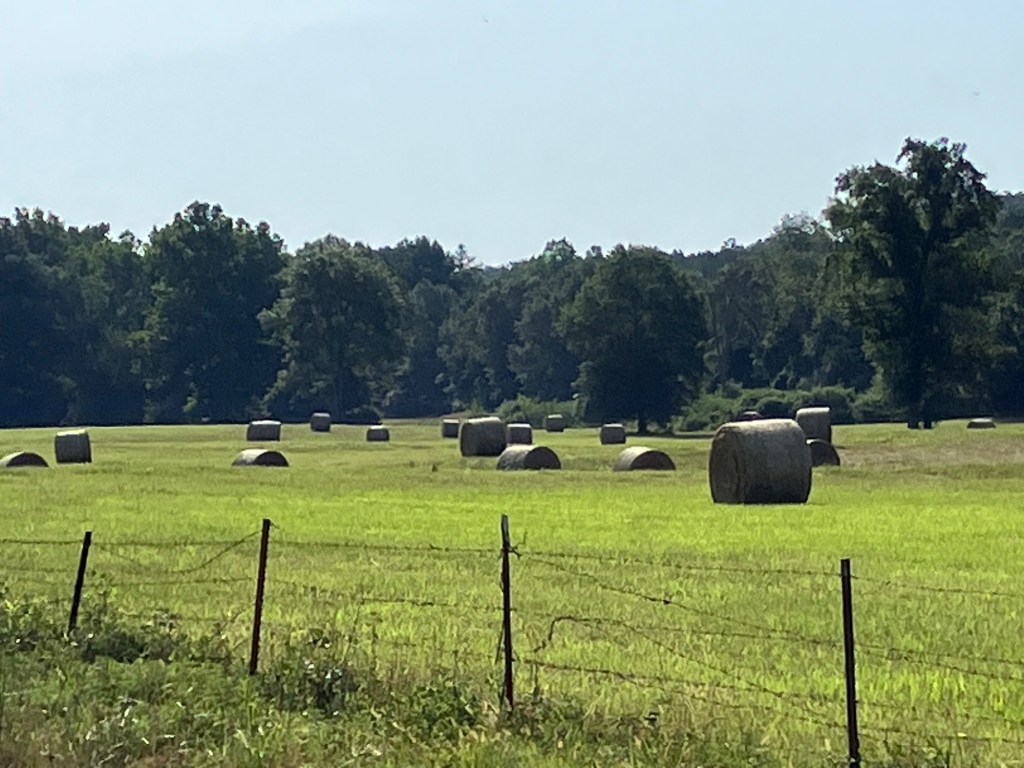
The western half of the country seems to still have square hay bales. Chickasaw State Park Campground, Tennessee. About 25 young teens were lead across the walk bridge at dusk, presumedly to an evening campfire. Some of the girls were singing along the way: “yes, Jesus loves me”. It occurs to me that all of the varied “Christian” radio stations I’ve heard across the country – or most of them, or many – are just “adults” imagining they are singing something other.
12, 591.9 miles. One day less than 12 full weeks. I believe few would and could make such an external journey across America with such internal intent.


-
Subscribe
Subscribed
Have a WordPress.com account? Log in now.

