-
“What’s in charge here?”
Is it not so that traditions’ beliefs, ideas, notions and opinions, emotions and feelings, attitudes and stances toward life, are more determinative and powerful than the many people they inhabit?
-
The Pursuit of Happiness: “How’s it goin’?”
The semi-conscious, rarely-spoken, shared daily social assumption that life and world are for the pursuit of happiness.
-
Happiness over Wisdom
Many, if not most, spend their lives seeking happiness…leaving little time to worry about wisdom.
-
An Upper Middle-Class God

A considerate, kind God… consoler of the lives and deaths, pains and pleasures, successes and failures of the wealthy.
-
Impossible nihilism
There is something inherently impossible for a world- and life-view of nihilism to be believable – in spite of all appearances – to a conscious, thinking, reflective creature.
-
Deaths of men and women, Man, and God
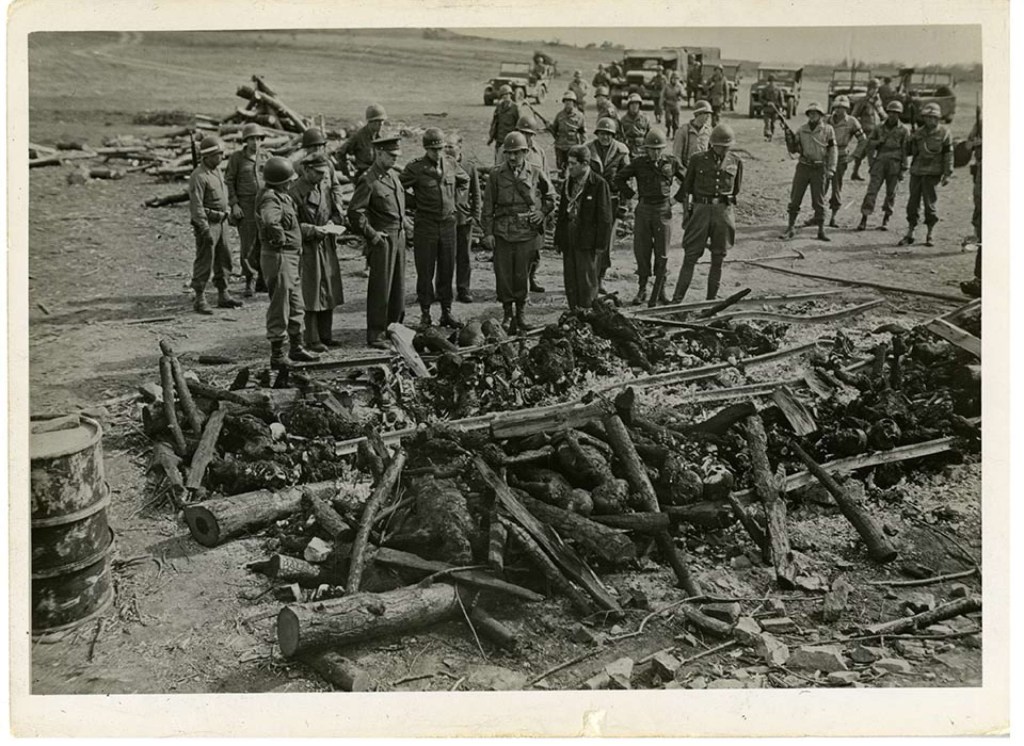
On April 4, 1945, the US 4th Armored Division and 89th Infantry Division of the Third US Army discovered Ohrdruf, a Nazi labor camp and a subcamp of the Buchenwald system.
Generals Dwight D, Eisenhower, George Patton, and Omar Bradley at Ohrdruf.When the American forces saw the remnants in the concentration camp at Ohrdruf there were essentially at least three degrees of death: the deaths of the interned, “death” of belief in mankind, and death in the belief of a caring God.
https://www.nationalww2museum.org/war/articles/ohrdruf-concentration-camp
-
Stupid/Brillant: Constants of History?
Proportions of human stupidity and brilliance are probably fairly much constants through time.
Ie multicultural and perennial.
-
Postwar American Naïveté: “They are so evil!”
How could those raised in post-wartime American middle-class suburban prosperity, imagine the pre-war and wartime life in Nazi Germany?
Not very realistically. Amongst which evil societal and personal was believably foreign.
-
The Terrible Immorality of “History”?
The amoral inhumanity of deeds and events, human and natural, in history./?
Eg

-
Butterfield and “Christian nationalists”
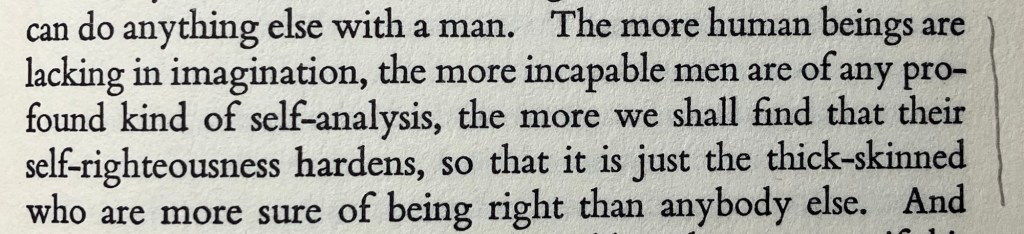
Herbert Butterfield, Christianity and History, 1949,p. 41.
-
Subscribe
Subscribed
Have a WordPress.com account? Log in now.

