-
After and over Goethe
Not by whichever judgments and standards of academia, but by one’s self burdensome, responsibility with self- and world awareness and knowledge – and Goethe knowledge and awareness – can one speak of him no longer a being of distant peak personage, but a personality, in fact, a person. After and above Goethe one stands more alone – if learned, matured and worn – in the world.
And what substance and sense the inevitable attitudes of those who have never lived beyond and above their inherited ways of thought, word and deed?
-
Italianly speaking
A trip to Italy for aesthetics and pleasure, or Bildung and historical insights?
-
N-S, W-E

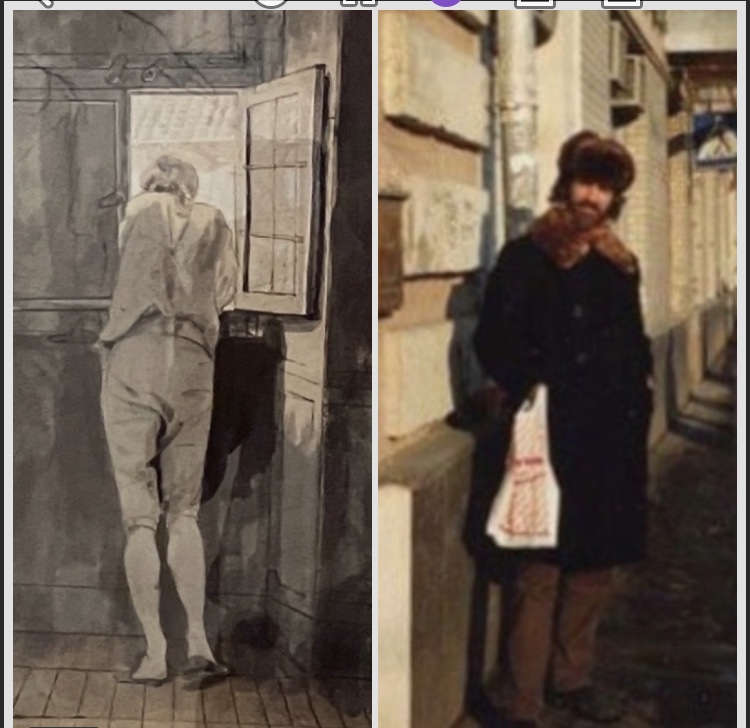
Again: as Goethe found in Naples a deeply different attitude to life to that of Weimar and German-speaking lands, so I found a completely different mentality (then) in Russia to that I had experienced from San Francisco to the Berlin Wall. Goethe recognized (22 May 1787, 28 May 1787) a lightness of being in Naples, I left the lightness of being in Santa Cruz, California for the earnestness of Moscow, Russia.
From my first encounter with Russia in 1986, till my departure from there in 2015, I noted some six phases of society and mentality. I suppose by now there have been a total of eight or nine distinguishable phases of main social mentality in Russia.
Often those from German-speaking lands north of the Alps, praised the climate and blue sky of Italy, for example, Naples. I myself after a number of years felt the sunny blue sky of California was a kind of glaring mockery of my life.
-
Oppenheimer and History
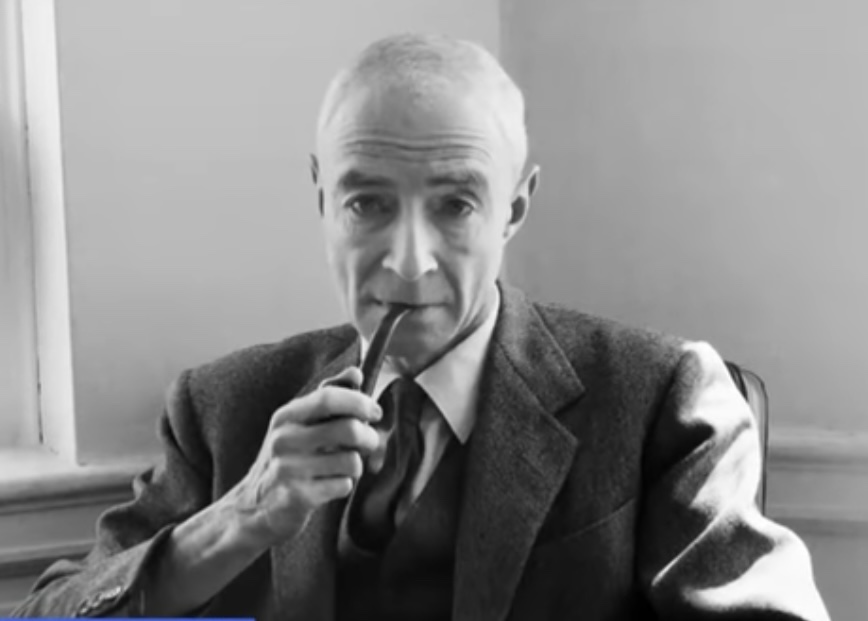
Oppenheimer, after loss of security clearance Began studying Oppenheimer about four decades ago. Berkeley. Visited Trinity. John Donne and the deeper roots of “Trinity” learned in the home of Mabel Potter (just northeast of UCB), her late husband having been a specialist in John Donne and his sermons.
The title “to end all wars” and key moments in the documentary, show the accidents, limits, even trivialities of human aspects of enormous import snd impact in history.
-
“Oh, that’s simple!”
However full of details and complexities history was, men and women simplify it.
-
Sociosophically speaking…
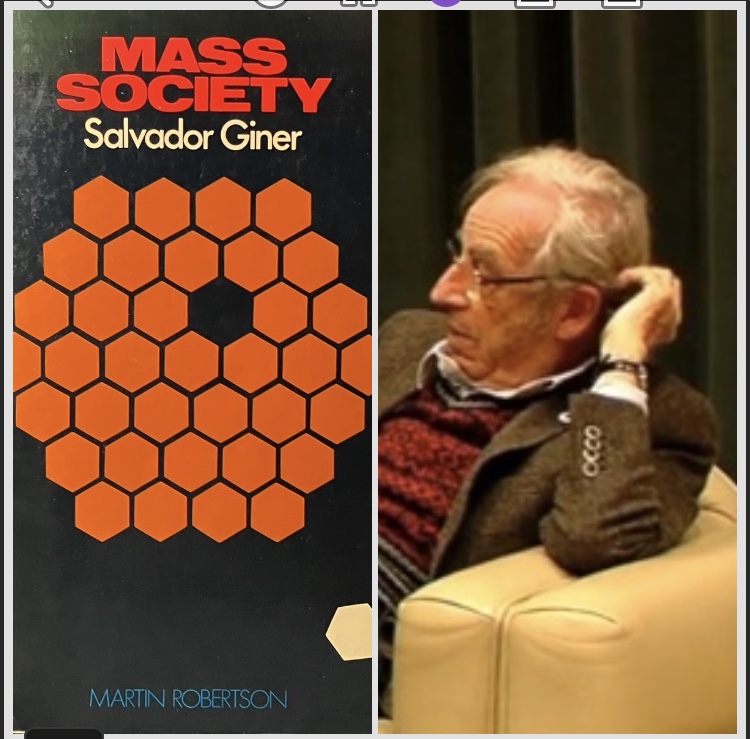
A leading, definitive history of the idea of mass man by a scholar with almost no social sense or control. -
On whose authority?
In decades of studying the “authorities” of established and empowered Answers to Questions which I have now also long pursued, gradually I turn to my own authority.
-
Goethe v. Luther
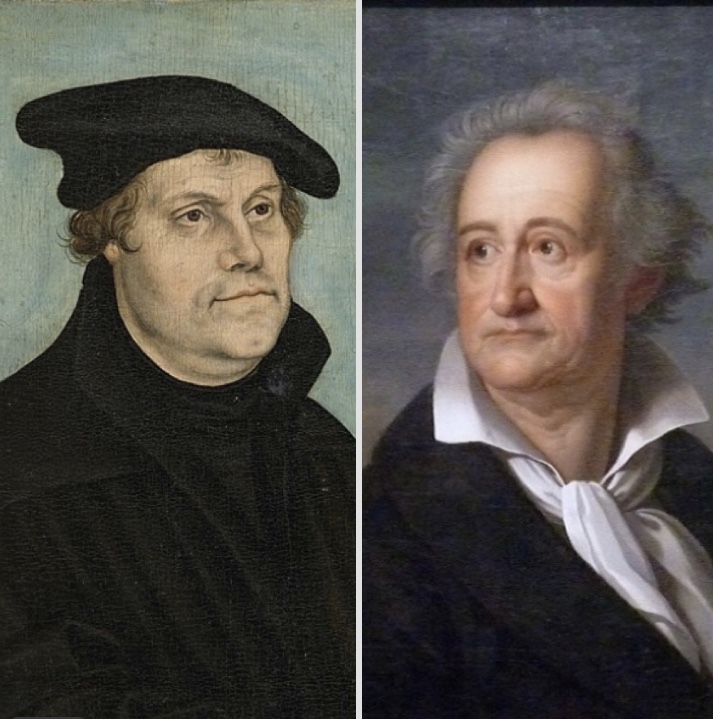
Luther’s sola fides; Goethe’s immer Streben.
Luther’s Fallen Adam; Goethe’s Entelechy.
-
“Speaking for my self…’

Via Condotti, Rome Quite probably the deepest characteristic as to whether some one is a dependent or independent person, mainly of the mass or mainly of their self, is whether when they think, speak or act, they do so dependent on society, the “mass”, or on their own self.
-
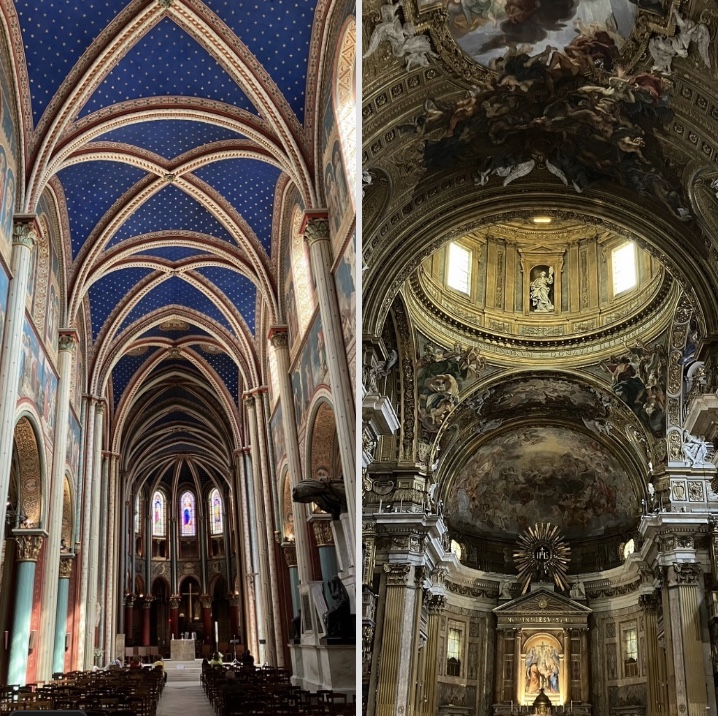
Roman vs Parisian Churches
How can I find someone who has compared the differences in atmospheres – or the psychologies of their societies? –in the old churches of Paris vis-à-vis the churches of Rome?
-
Subscribe
Subscribed
Have a WordPress.com account? Log in now.

